Logistics & Packaging
Wooden vs Plastic Crates: A Comparison for Solar Shipping
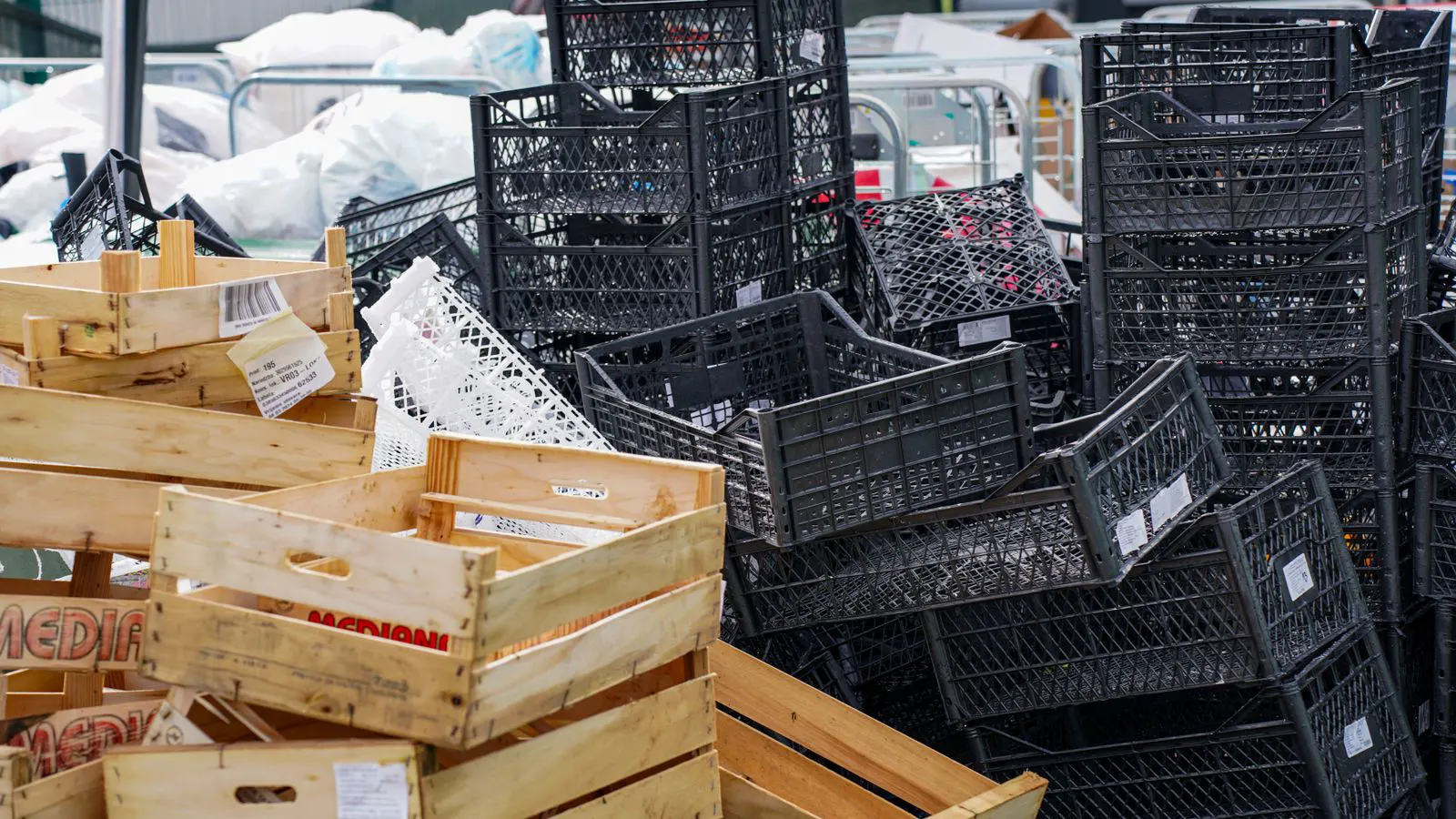
Wooden crates offer high protection and are ideal for fragile shipments, while plastic crates provide lighter weight and better cost efficiency for high-volume routes.
Understand crate sizes, loading patterns, and shipping requirements to move panels from factory to site safely.
Wooden crates offer high protection and are ideal for fragile shipments, while plastic crates provide lighter weight and better cost efficiency for high-volume routes.
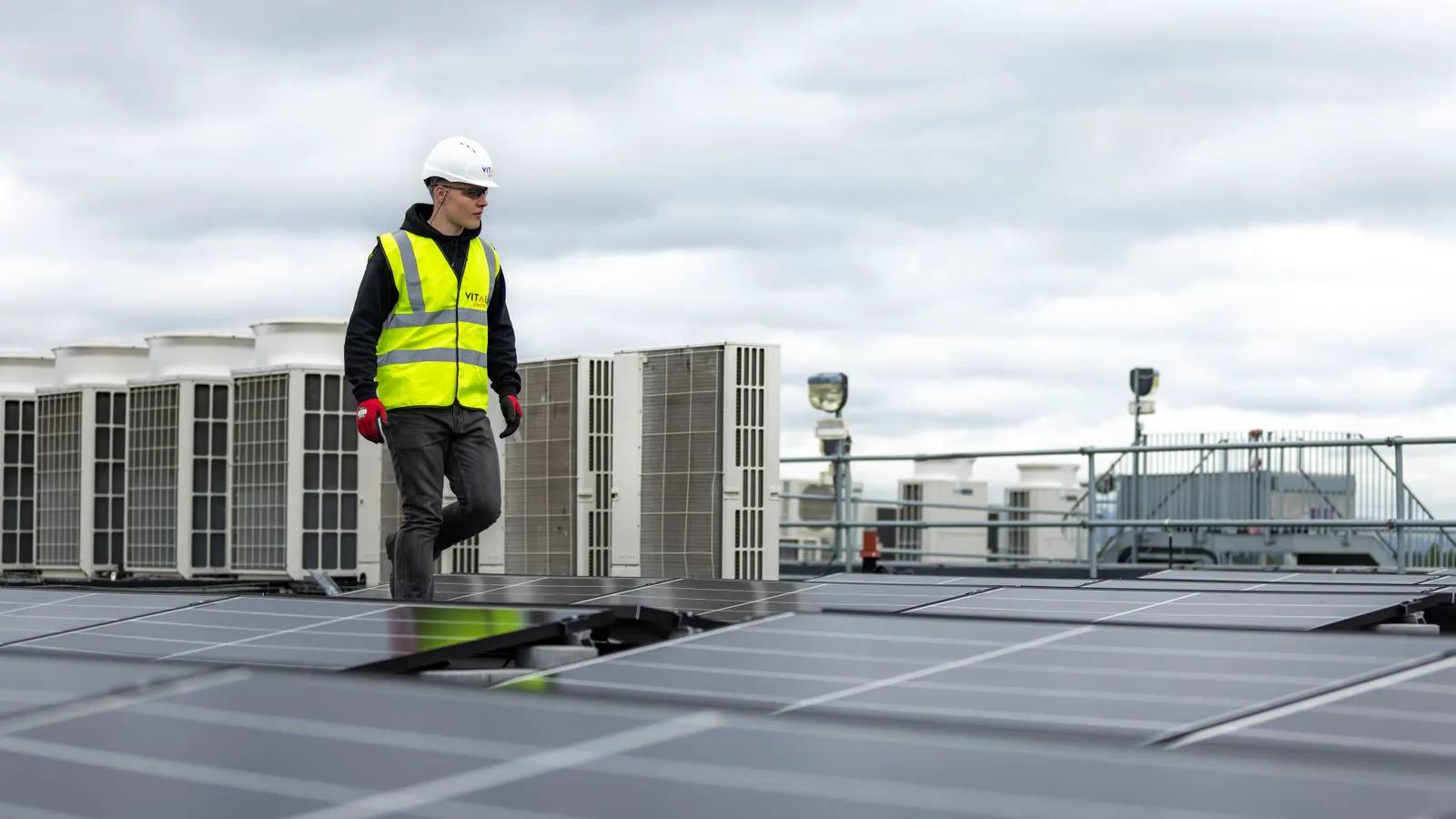
This guide identifies root causes of cracked glass and bent frames during solar panel transport. It provides a troubleshooting table for common symptoms, explains
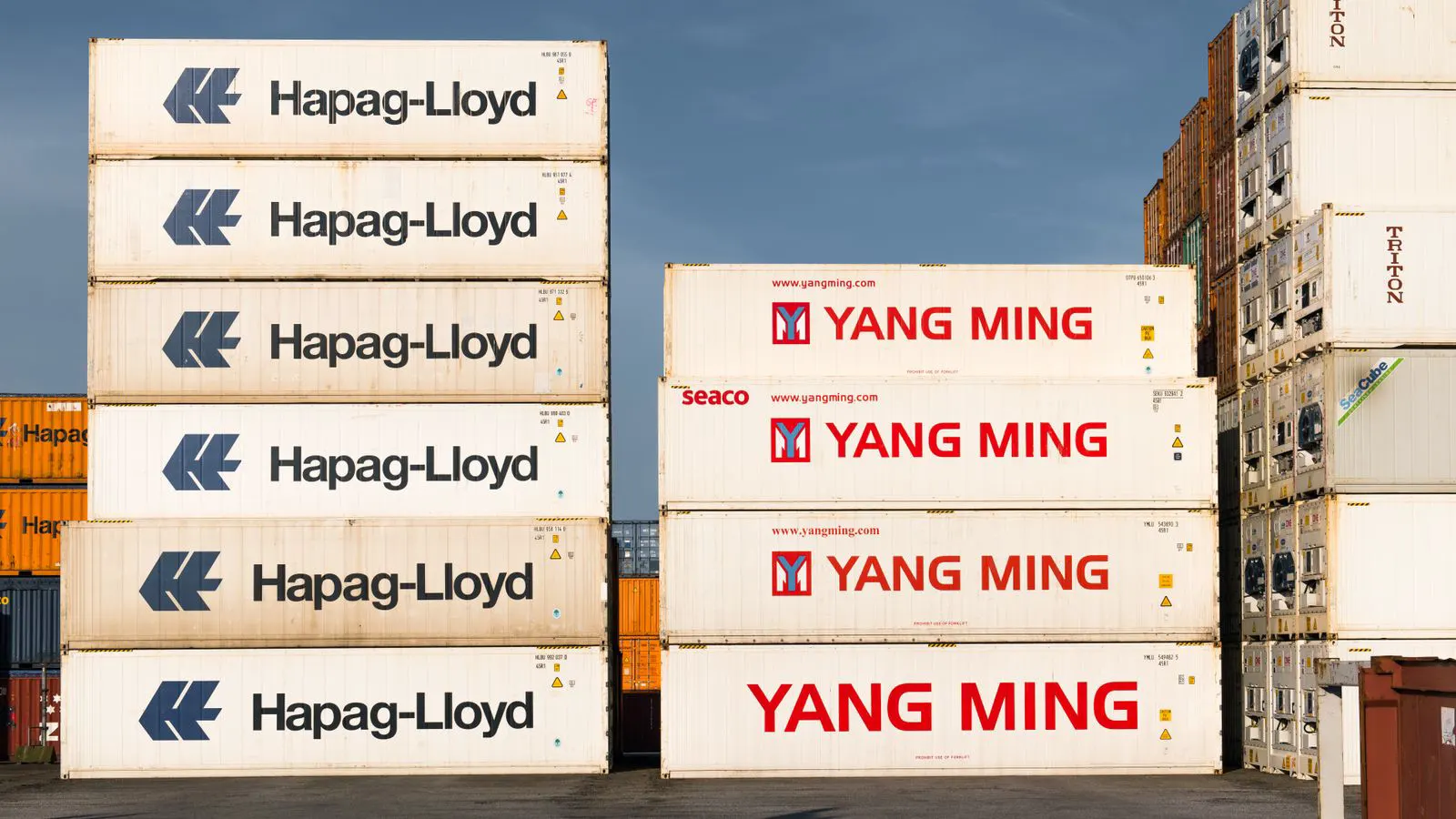
Packaging choice directly affects production scheduling, freight booking, and customs processing. Standard pallets move fastest, while custom crates require longer lead
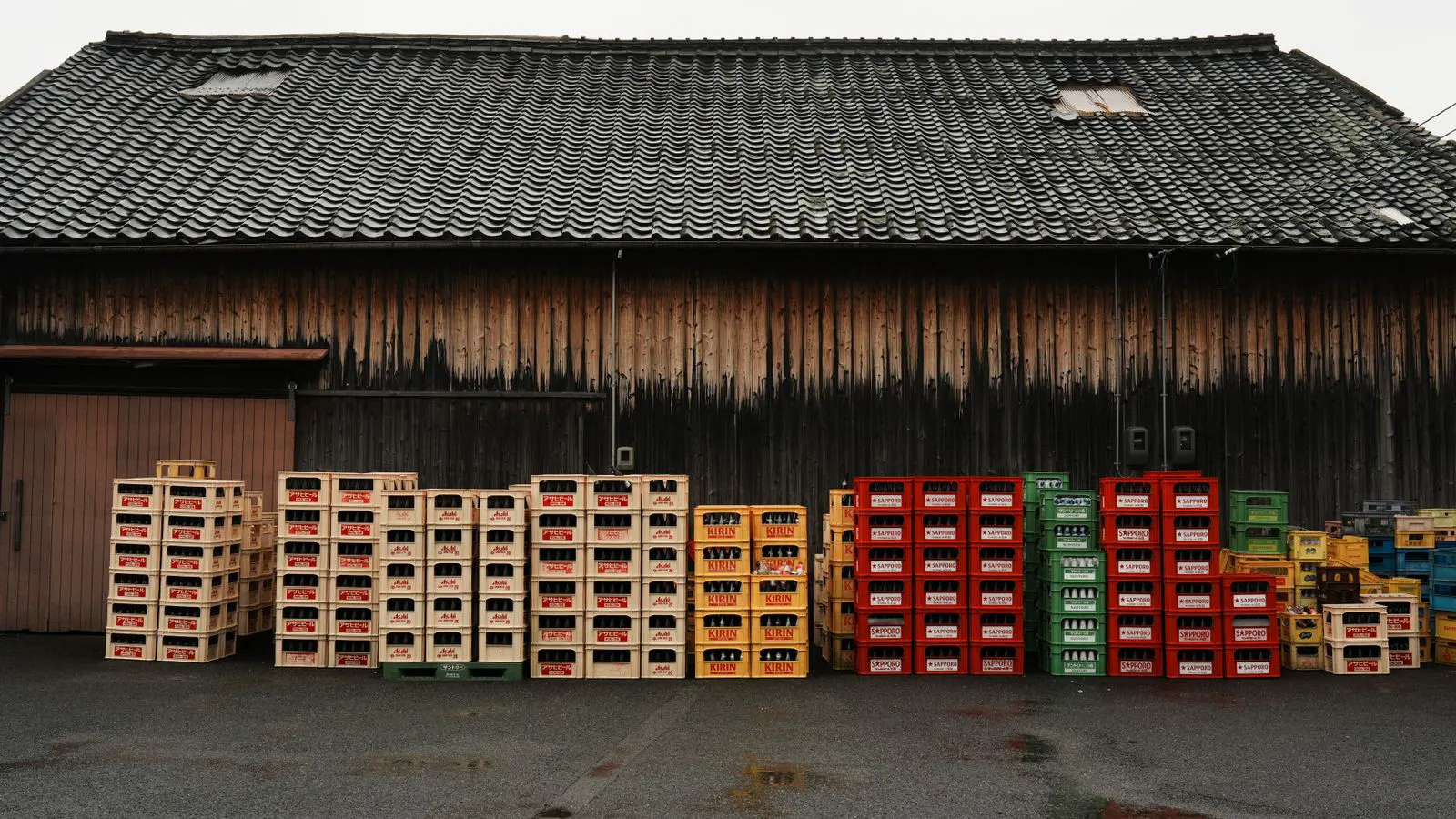
Choose solar crate sizes by matching panel dimensions, stack heights, and port constraints. Smaller crates reduce handling risk and fit mixed loads, while larger crates
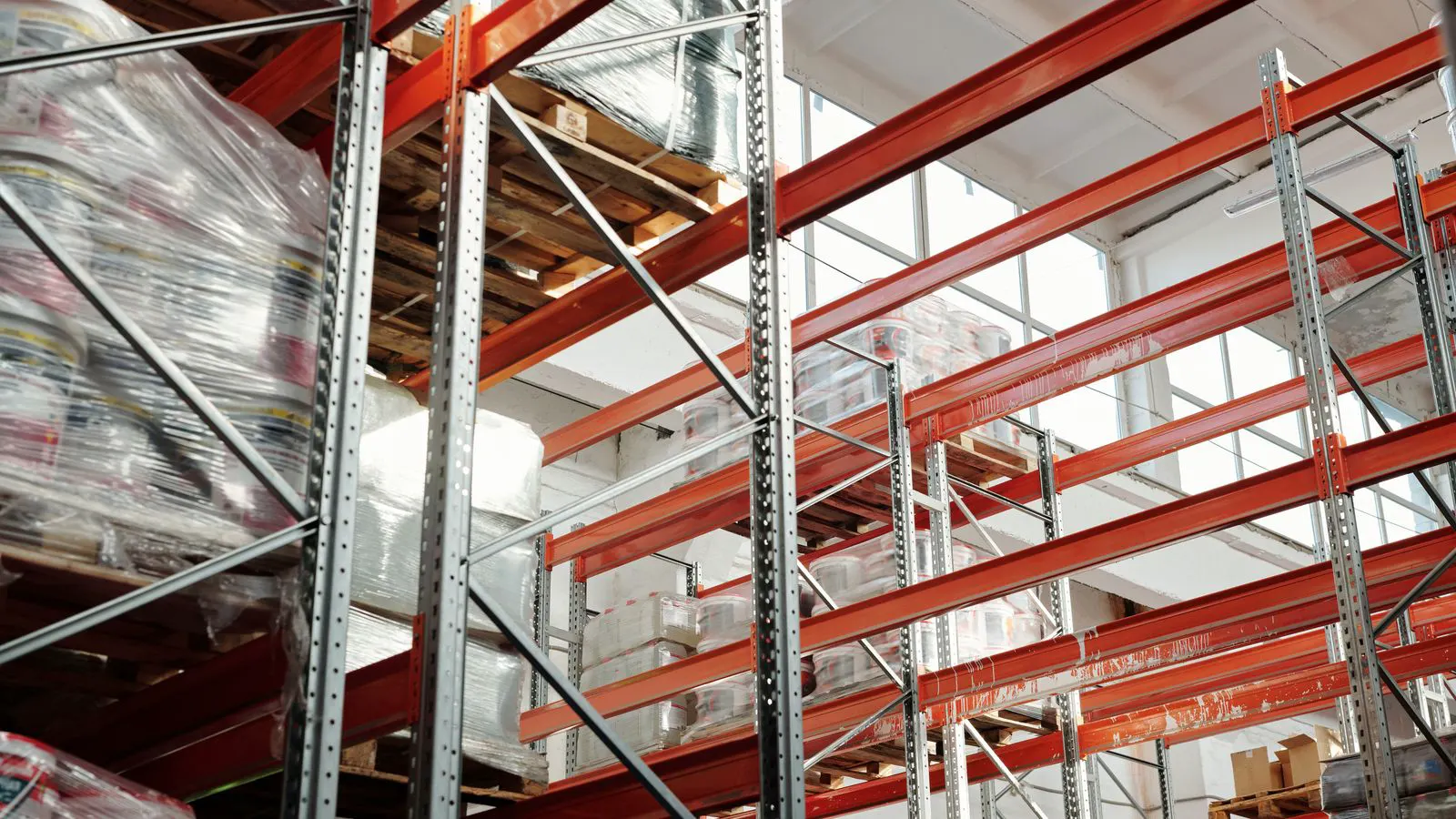
Emerging lightweight and recyclable solar packaging reduces transport weight, cuts fuel use, and simplifies end-of-life disposal. Buyers should plan for stricter

Solar panel packaging uses layered materials to stop glass cracks and frame dents. Edge protectors, foam, and shrink wrap work together. Choosing the right materials
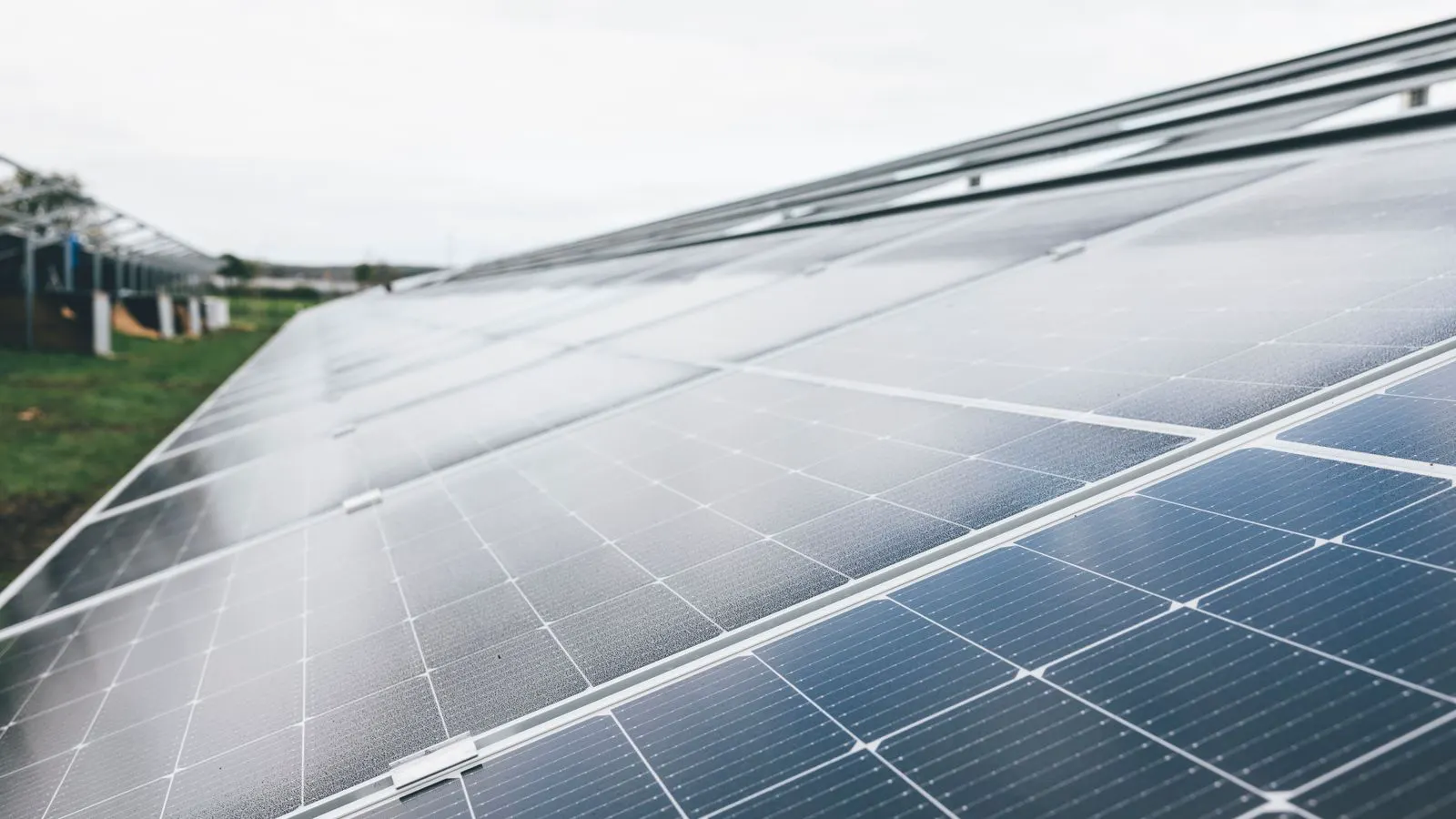
Load solar panels in a standard 40ft container by following a strict pallet stacking pattern, securing each layer with edge protection, and verifying load distribution