Emerging lightweight and recyclable solar packaging reduces transport weight, cuts fuel use, and simplifies end-of-life disposal. Buyers should plan for stricter regulations, standardized materials, and improved reverse logistics to handle these shifts effectively.
- Lightweight and recyclable packaging materials are reducing transport weight and fuel consumption.
- Regulatory pressure is pushing manufacturers toward standardized, take-back packaging systems.
- Buyers should prioritize suppliers with clear end-of-life packaging plans and reverse logistics capabilities.
- Transitioning to new packaging requires updates to container loading plans and handling protocols.
- Early adoption of sustainable packaging can lower long-term compliance and disposal costs.
Why Lightweight Packaging Is Changing Solar Panel Logistics
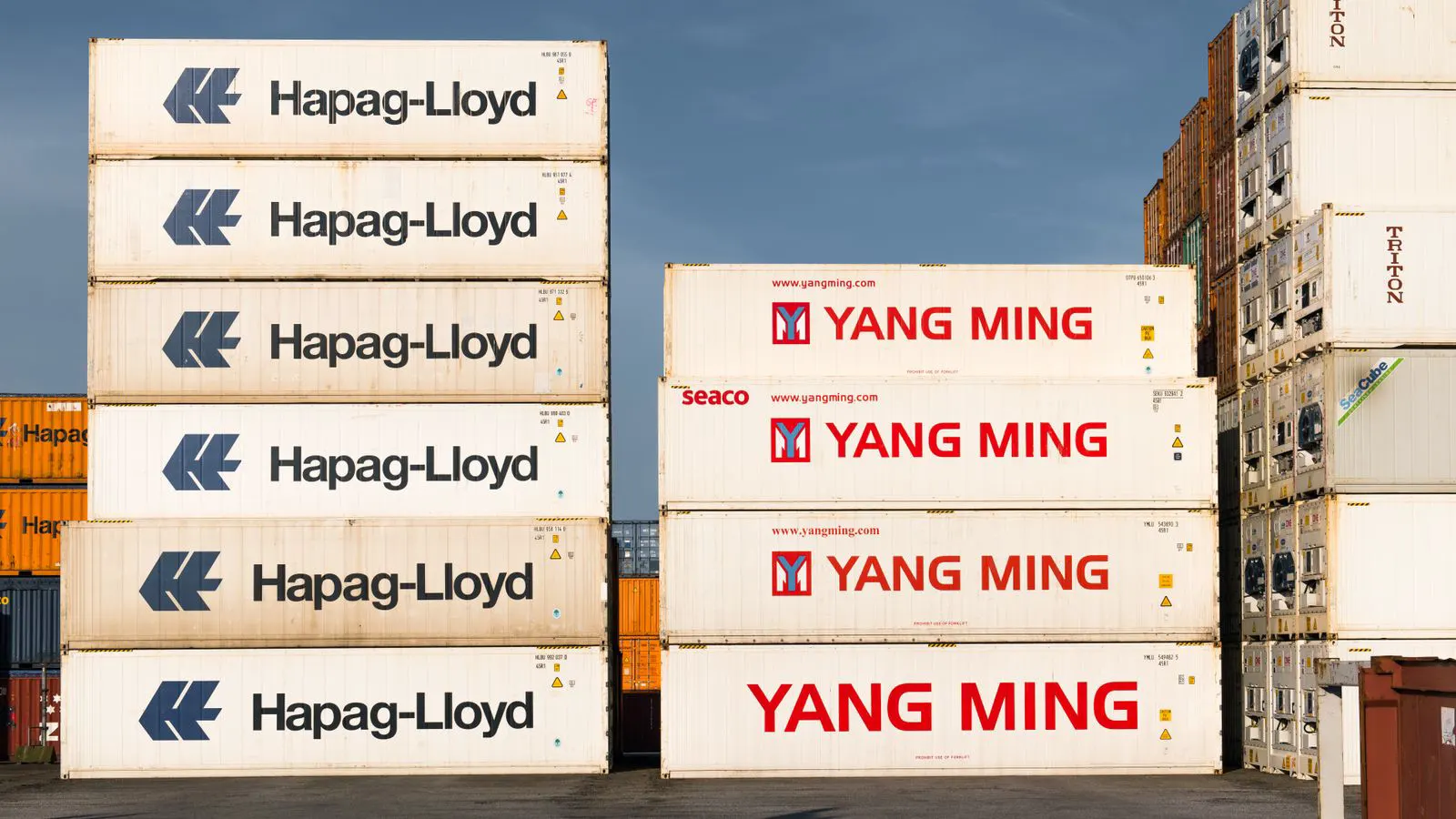
Solar panel logistics are shifting because transport costs are no longer a fixed line item. Every kilogram of packaging adds weight to the load, which increases fuel consumption and limits the number of panels that fit in a standard container. Manufacturers are responding by redesigning packaging around lighter structural elements and less material.
The change is not just about weight. It is about what happens after the panel reaches the site. Packaging that is difficult to separate or recycle creates a disposal burden at the destination. Buyers are starting to ask suppliers how the packaging will be handled when the installation is complete. This question is moving from a sustainability conversation into a procurement checklist.
The practical impact is already visible in packaging specifications. Manufacturers are replacing thick, multi-layered cardboard with thinner, high-strength corrugated boards. Foam padding is being replaced with molded pulp or paper-based inserts. Plastic shrink wrap is being reduced or replaced with paper tape and reusable straps. These changes require retesting during transit, but they are making the supply chain easier to manage at both ends.
How Recyclable Packaging Is Reducing E-Waste
Recyclable solar packaging is becoming a standard requirement rather than an optional feature. The problem with traditional packaging is that it often mixes materials that cannot be separated at the destination. A single box might contain cardboard, plastic film, foam, and adhesive. That mix is difficult to recycle and often ends up in landfill.
The shift toward recyclable solar packaging is driven by two forces. The first is regulatory. Several regions are tightening rules on packaging waste, requiring manufacturers to take back or fund the recycling of their packaging. The second is customer demand. Large developers and utilities are adding packaging sustainability to their supplier scorecards. They want proof that the packaging will not become e-waste after the panel is installed.
The materials changing the most are the ones that contact the panel directly. Corner protectors and edge guards are being redesigned to use single-material construction. Adhesive tapes are being replaced with mechanical fastening or paper-based tape. The goal is to make the packaging stream into existing recycling streams without requiring special handling.
What Regulatory Changes Mean for Global Supply Chains
Regulatory changes in packaging and e-waste are moving from local rules to global expectations. When one major market introduces a take-back or recycling requirement, other markets often follow within a few years. This creates pressure on manufacturers to standardize packaging across regions.
The practical effect is that a single packaging design may need to meet the rules of multiple markets. This pushes suppliers toward simpler, more universal materials. It also means that buyers must understand which regulations apply at the destination, not just at the point of manufacture. A package that is compliant in one country may not meet requirements in another.
Buyers should ask suppliers how their packaging plan accounts for destination regulations. This includes questions about local recycling infrastructure, take-back obligations, and documentation requirements. If a supplier has not thought through these details, the compliance burden will fall on the buyer or the installer.
Five Shifts to Plan For in Solar Panel Logistics
The following shifts are already taking shape in the solar supply chain. Planning for them early reduces disruption later.
- Standardized packaging materials. Suppliers are moving toward a smaller set of materials that work across regions. This simplifies recycling but requires revalidation of protection performance.
- Reverse logistics planning. Packaging is no longer considered “finished” at the installation site. Buyers need a plan for what happens to the packaging after the panel is mounted.
- Supplier accountability. Procurement teams are adding packaging sustainability to supplier evaluations. This includes questions about material sourcing, recyclability, and end-of-life handling.
- Container loading adjustments. Lighter packaging changes weight distribution and stacking limits. Loading plans must be updated to account for the new package dimensions and weight.
- Documentation requirements. Some regions will require packaging data sheets or recycling certificates. Buyers should build these documents into their receiving and inspection processes.
These shifts are not optional. They are becoming part of the cost structure and compliance framework for solar projects.
How Buyers Can Prepare for Lightweight and Recyclable Packaging
Preparation starts with supplier conversations. Before placing an order, buyers should ask about the packaging materials, the recyclability of each component, and the supplier’s plan for end-of-life handling. This is not a one-time question. It should be part of the ongoing relationship.
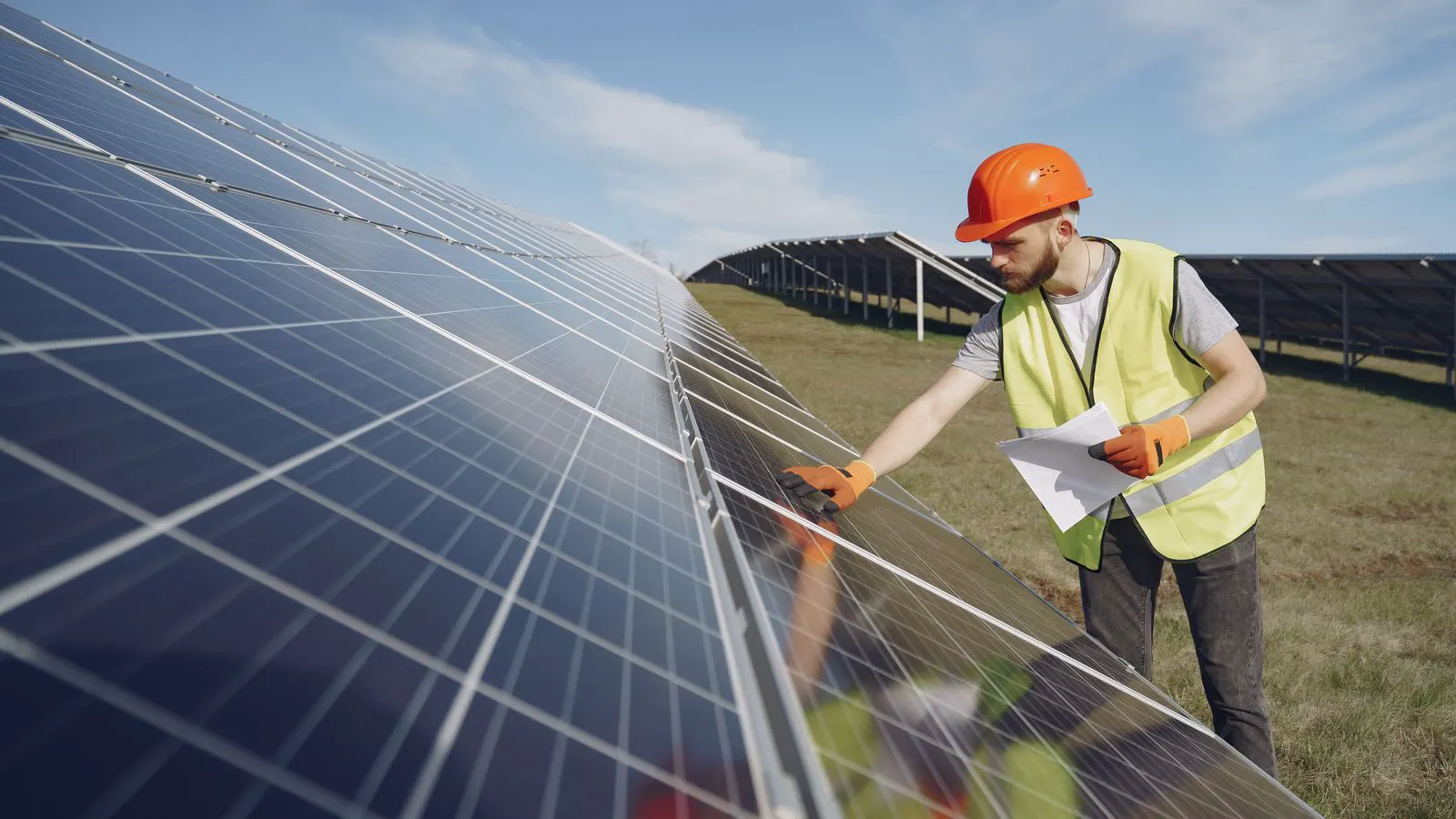
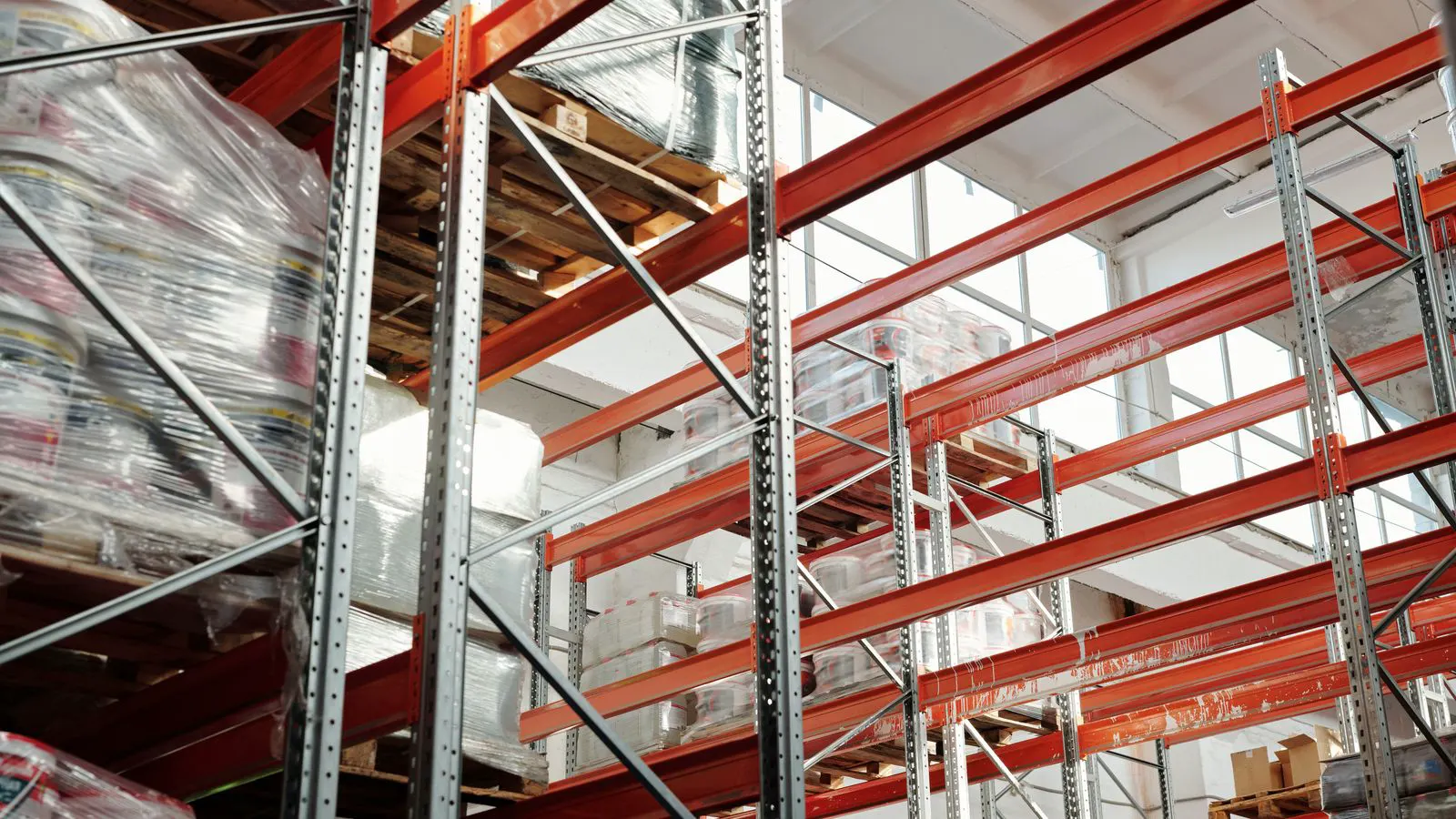
Buyers should also review their own receiving and storage processes. Lightweight packaging may be less durable in transit and in storage. It may require different handling procedures to avoid damage. Warehouses and installation crews need to be briefed on the new packaging materials and how to dispose of them correctly.
Training is a practical step. A short briefing for warehouse staff and installers on how to separate packaging components and route them to the correct disposal stream can prevent contamination of recycling bins. This is especially important when the packaging uses paper-based materials that can degrade if exposed to moisture.
Finally, buyers should track their packaging waste. Keeping records of how much packaging is generated, how it is disposed of, and where it goes creates a baseline. This baseline helps when regulations change and new documentation requirements are introduced.
The Role of Reverse Logistics in a Circular Supply Chain
Reverse logistics is the process of moving materials back from the installation site to the manufacturer or a recycling facility. For solar panels, this includes the packaging, the frame, the glass, and the electronic components. The packaging is the first item in the chain. It is the easiest to recycle and the first to be regulated.
A well-designed reverse logistics system reduces the cost of compliance. It also reduces the risk of penalties for improper disposal. Manufacturers that invest in reverse logistics are building a competitive advantage. They are showing customers that they are accountable for the full lifecycle of the product.
Buyers should prefer suppliers that have a clear reverse logistics plan in place. This includes a point of contact, a process for collecting packaging, and a documented recycling pathway. Without this plan, the responsibility for e-waste falls on the buyer or the installer, which creates risk and cost.
The table below summarizes the key elements of a sustainable packaging plan.
| Packaging Element | Current Trend | Buyer Action |
|---|---|---|
| Corrugated board | Thinner, high-strength, single-stream | Verify board quality and recycling acceptance |
| Protective inserts | Molded pulp, paper-based | Confirm moisture resistance and disposal route |
| Fasteners | Paper tape, reusable straps | Update handling and storage procedures |
| Edge protectors | Single-material construction | Check compatibility with local recycling streams |
| Documentation | Material declarations, recycling certificates | Add to receiving and inspection checklist |
The table shows that each element of the packaging plan requires a specific action. Buyers cannot treat packaging as a single item. They must understand each component and how it fits into the recycling process.
What This Means for the Next Few Years
The next few years will see a gradual standardization of sustainable packaging in the solar industry. Regulations will continue to tighten. Customer expectations will continue to rise. Suppliers that adapt early will have a smoother transition. Those that wait will face higher costs and greater compliance risk.
The shift is not about perfection. It is about continuous improvement. Every kilogram of packaging removed, every material that can be recycled, and every process that is documented makes the supply chain more sustainable. Buyers who plan for these changes now will be in a strong position when the rules become stricter.
Solar panel logistics are moving toward a model where packaging is designed for the entire lifecycle, not just for transit. This is the direction of the industry, and it is already taking shape in the supply chain. Buyers who understand this shift will be better prepared to manage their supply chains in the years ahead.
Key Questions to Ask Your Supplier
Before finalizing a packaging specification, buyers should ask their supplier the following questions. These questions help identify gaps in the packaging plan and ensure that the supplier has thought through the full lifecycle.
- What materials are used in the packaging, and are they recyclable at the destination?
- How do you handle take-back or recycling obligations in different regions?
- What documentation can you provide for packaging compliance?
- How has the packaging design changed in the last two years, and what was the reason for each change?
- What is your reverse logistics process, and who is the point of contact for packaging return?
These questions are practical and specific. They help buyers move from general sustainability goals to actionable requirements. They also create a record of the supplier’s commitments, which can be useful if regulations change or if a dispute arises.
The answer to these questions will determine whether the supplier is ready for the next phase of solar panel logistics. If the supplier has a clear plan, the partnership is likely to be smoother. If not, the buyer should be prepared to negotiate or find an alternative.
The future of solar shipping is being written in the packaging. Every decision made about materials, processes, and documentation shapes the supply chain. Buyers who engage with these details early will be better positioned to manage their projects and their supply chains in a sustainable way.
Frequently asked questions
What are the main materials being used in recyclable solar packaging?
Molded pulp, high-strength corrugated board, paper tape, and reusable straps are the most common materials. These materials are chosen for their strength and their ability to enter existing recycling streams.
How does lightweight packaging affect container loading?
Lighter packaging changes the weight distribution and stacking limits in a container. Buyers must update their loading plans to account for the new package dimensions and weight to avoid damage during transit.
What is reverse logistics in the context of solar panels?
Reverse logistics is the process of moving packaging and other materials back from the installation site to a recycling facility or the manufacturer. It includes collecting, sorting, and recycling the packaging after the panel is installed.
Are there specific regulations for solar packaging in different regions?
Yes. Several regions are introducing rules that require manufacturers to take back or fund the recycling of their packaging. Buyers must understand the regulations that apply at the destination, not just at the point of manufacture.
How can buyers verify that a supplier's packaging is truly recyclable?
Buyers should ask for material declarations and recycling certificates. They should also check that the packaging materials are accepted by the local recycling facilities at the destination. This ensures that the packaging will not end up in landfill.