Cost & Pricing
Explainer: How Duty Rules Affect Module Pricing
Duty rules directly change the final price of imported solar modules by adding taxes before other costs. Understanding tariff codes, origin rules, and duty rates helps
See how module pricing, tariffs, and market trends influence project budgets and procurement decisions.
Duty rules directly change the final price of imported solar modules by adding taxes before other costs. Understanding tariff codes, origin rules, and duty rates helps

Negotiate tariff pass-throughs by defining duty responsibility, using fixed-price options, and requiring transparent cost breakdowns. These tactics protect your panel

Incorrect tariff classification inflates duty costs and delays clearance. This audit checklist helps you verify HS codes, check supplier documentation, and align
To model imported module costs, add the ex-works price, freight, insurance, and import duties. This approach creates a baseline for cash flow planning and vendor
Solar module tariffs change landed costs and cash flow timing by altering import duties, taxes, and payment schedules. This guide explains how duty rates affect

Local sourcing usually lowers logistics and tariff risks, while imported modules may offer lower sticker prices for high-volume projects. The right choice depends on

Use this checklist to verify supplier price transparency. It covers fees, supplier audits, and pricing breakdowns needed to confirm all costs are disclosed in the sales
Landed cost is the total expense to deliver solar panels from factory to site. It combines module price, freight, insurance, and duties. This guide explains how to
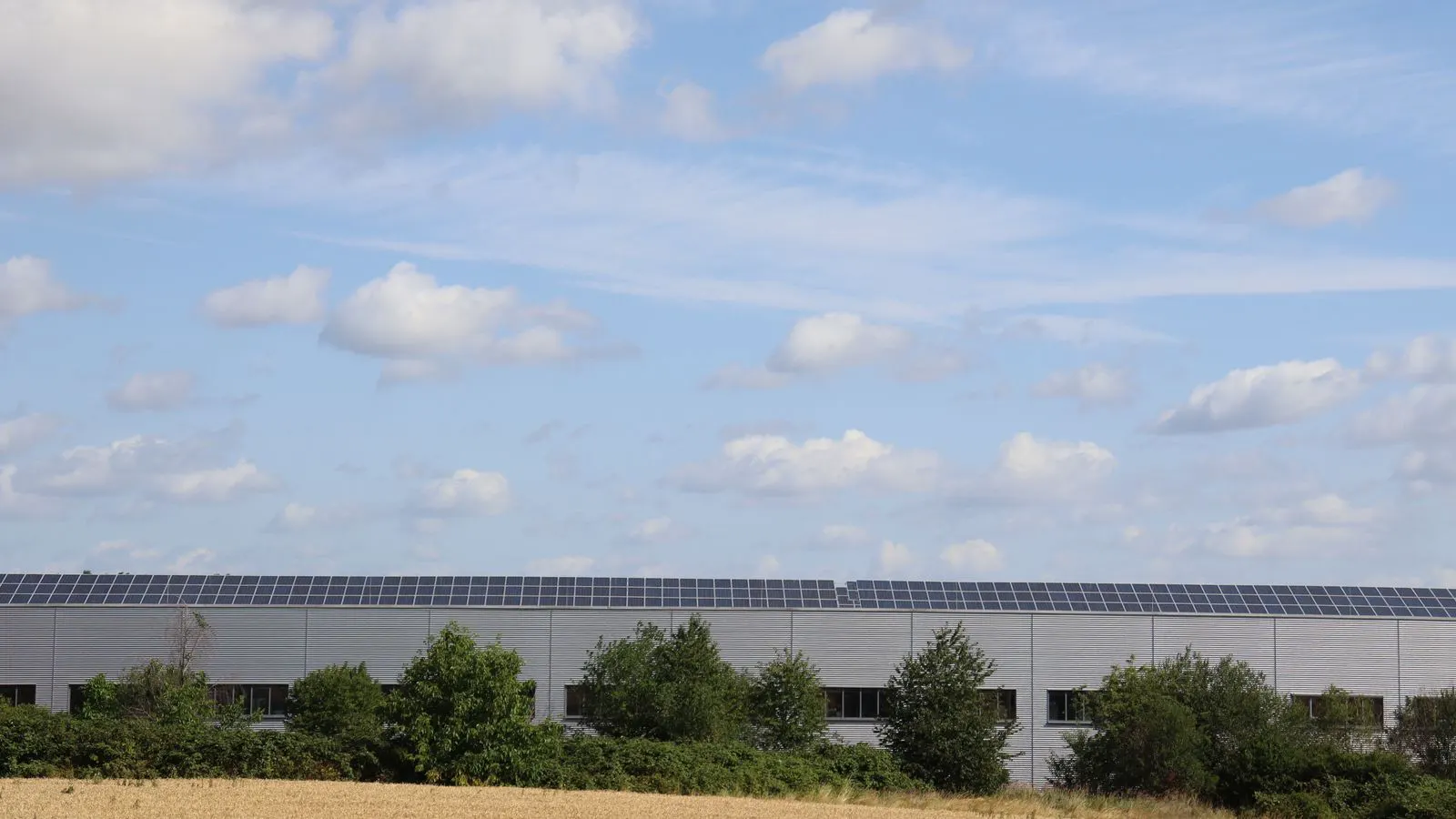
Negotiating solar module pricing requires preparation. This guide explains how to structure bulk purchase discounts, manage procurement negotiation tactics, and evaluate
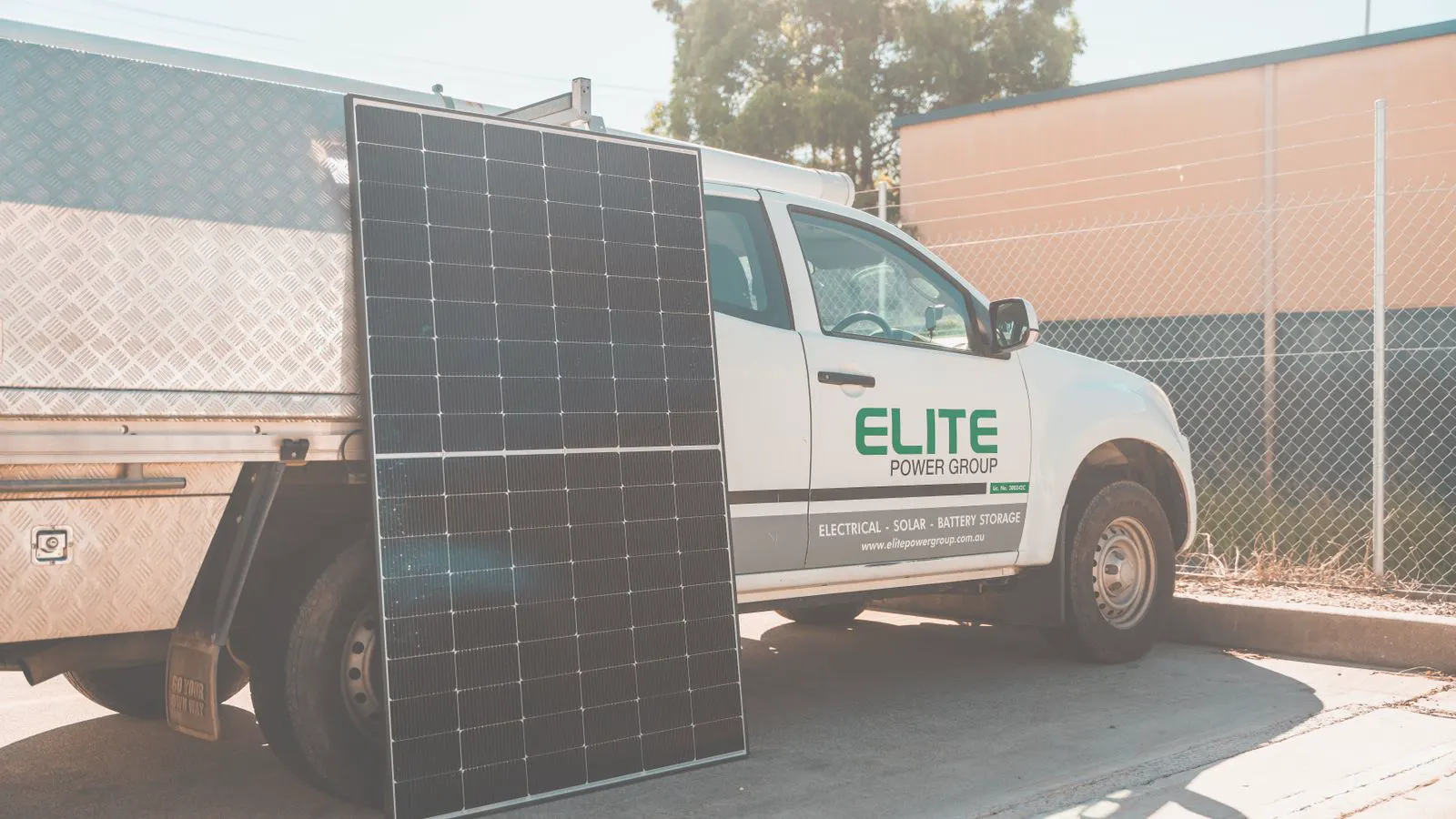
Supplier quotes differ because of hidden spec variations, logistics, and payment terms. A structured comparison of technical sheets, incoterms, and warranty clauses
Longer lead times raise panel procurement cost through inventory holding, financing, and price volatility. Supply chain delays force buyers to adjust project timelines
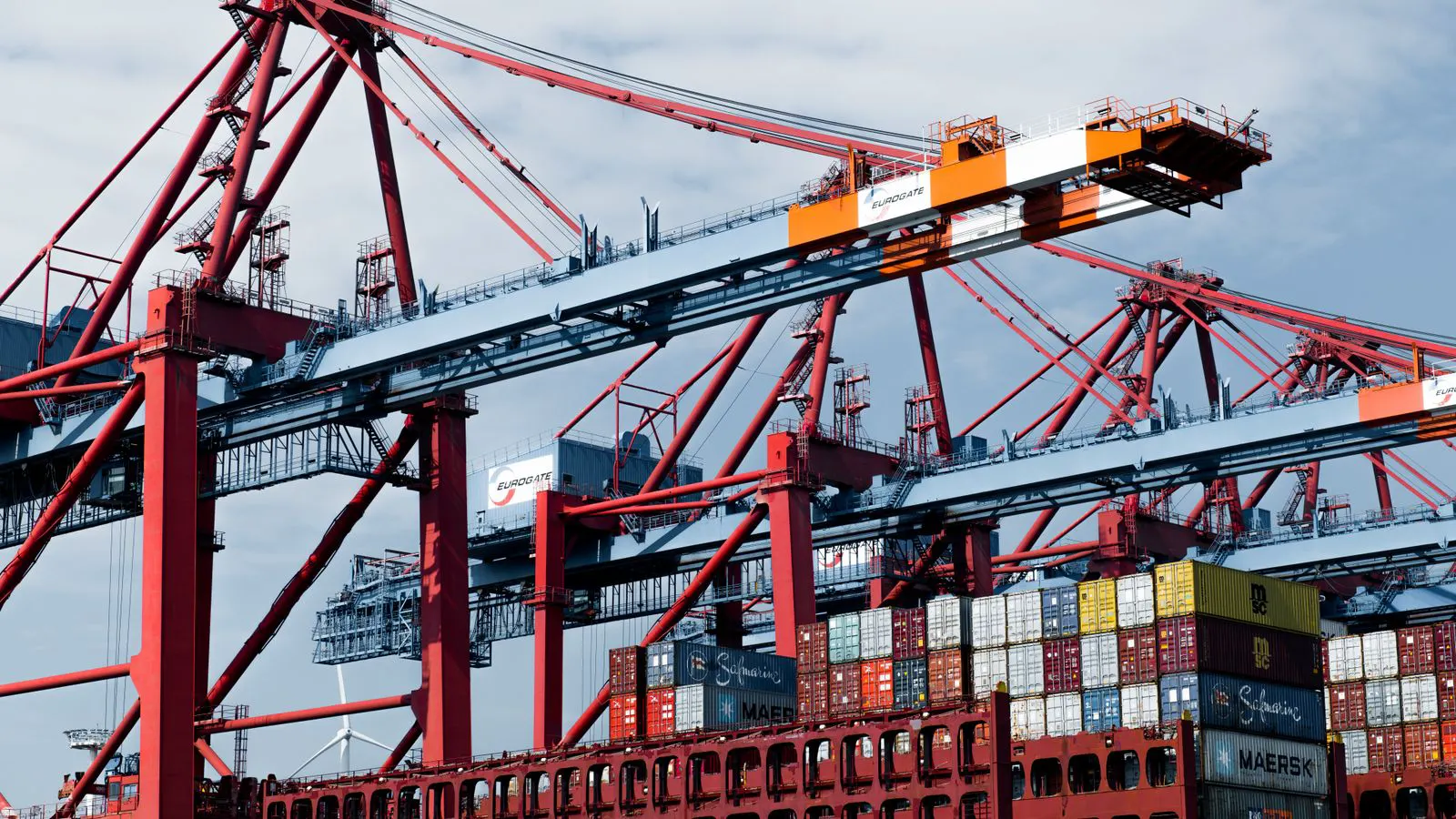
Solar module tariffs and import duty rates add to the sticker price, raising the final cost at destination. These charges depend on origin, classification, and policy