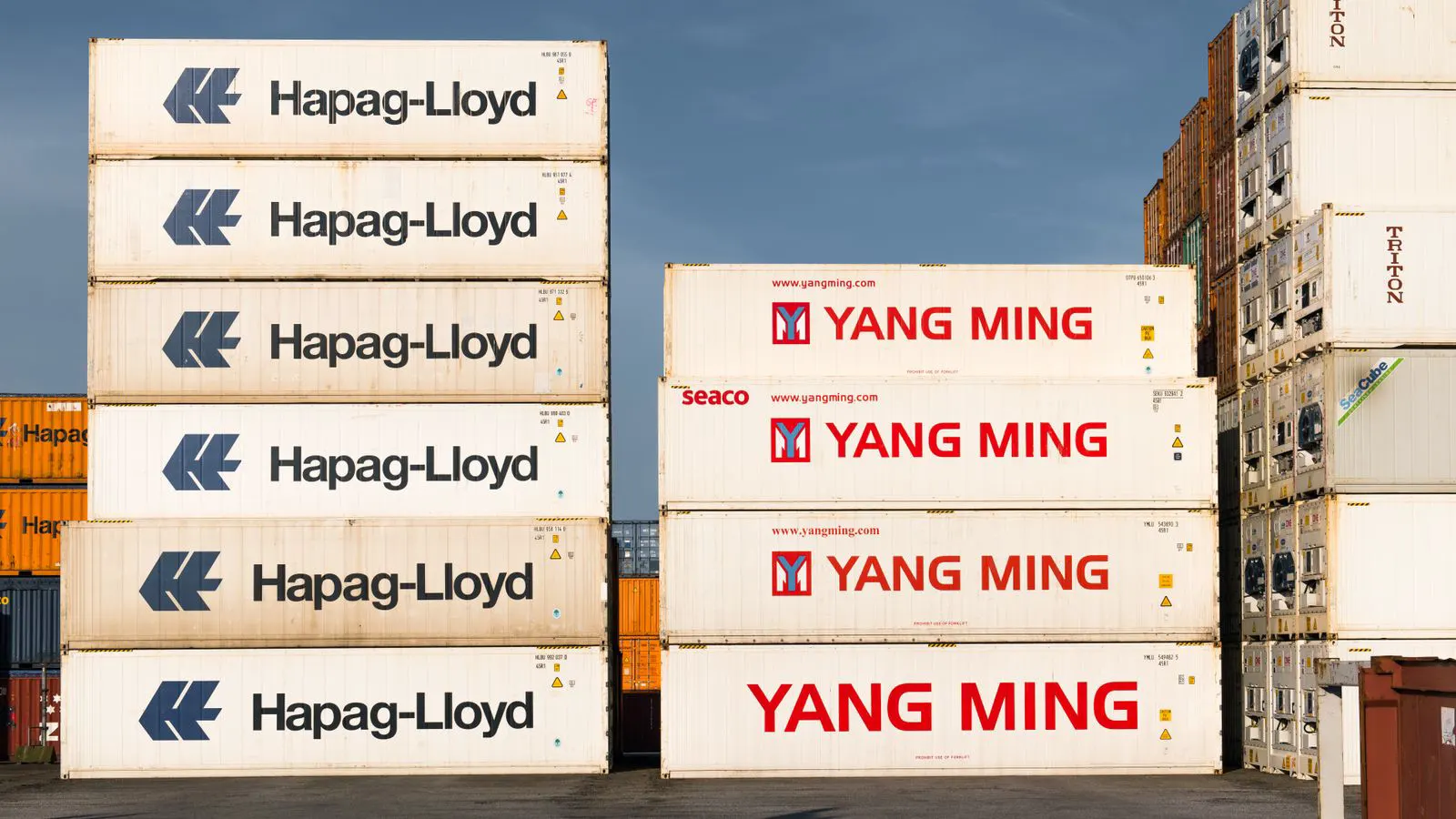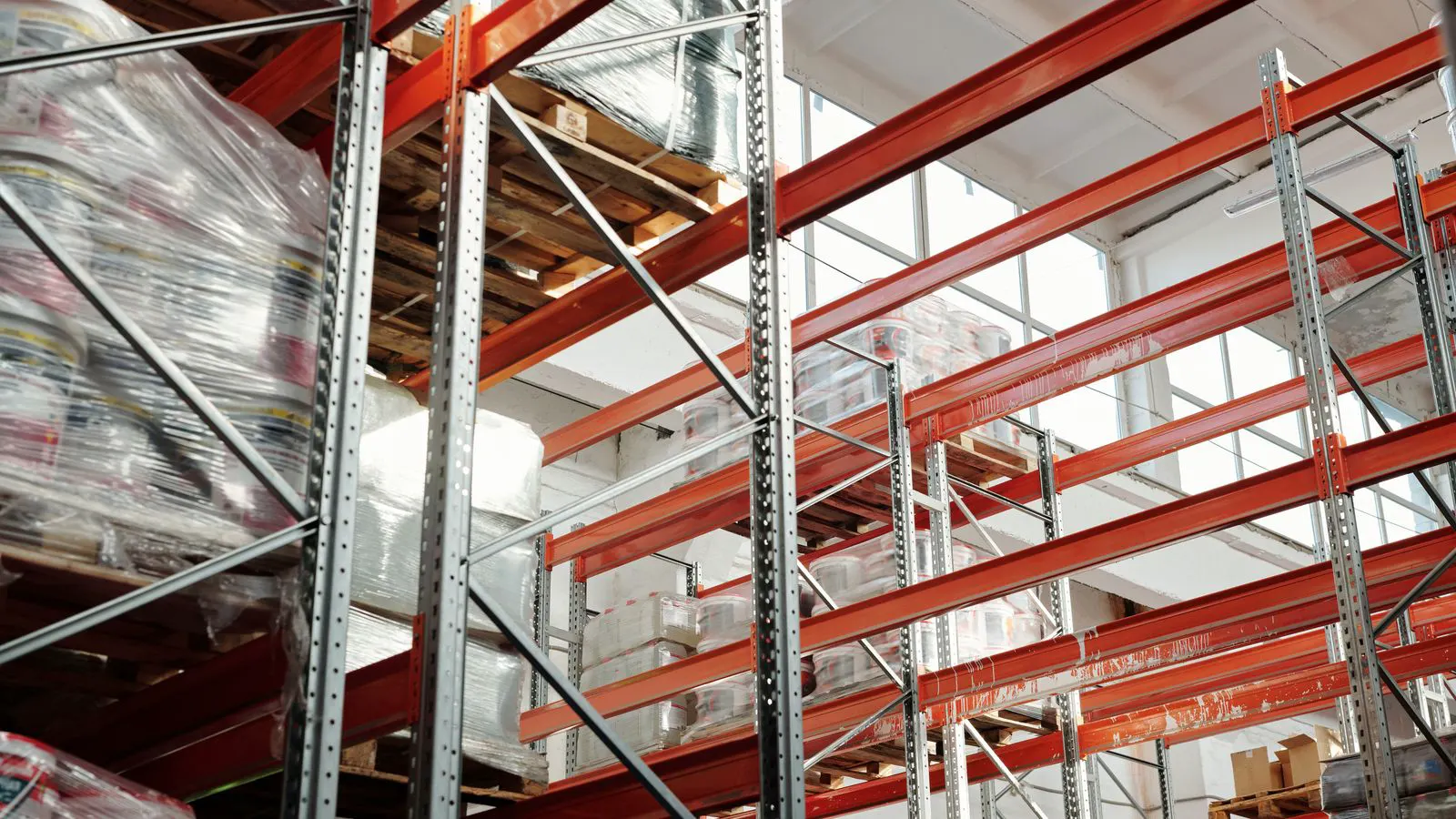
Choose solar crate sizes by matching panel dimensions, stack heights, and port constraints. Smaller crates reduce handling risk and fit mixed loads, while larger crates cut per-unit freight but demand tighter stacking. Match the crate to your panel, destination, and container type.
- Match crate footprint to panel size and edge overhang to protect frames during handling.
- Use lower stack heights when moving panels into narrow doorways, tight containers, or fragile loads.
- Larger crates reduce per-unit freight but increase handling force and require stronger pallets.
- Check destination port, yard, and installation site constraints before locking in a crate size.
- Document crate dimensions, stack count, and weight per crate for customs and loading plans.
Why Crate Size Matters More Than Unit Price
A solar panel crate is the physical link between the manufacturing floor and the installation site. It is not merely a container; it is the primary safety mechanism that holds the glass, frame, and electrical junction box in a controlled state during transit. The wrong size creates compounding problems at every handoff. A crate that is too large for the panel leaves empty space where the panel can shift during acceleration or deceleration. A crate that is too small forces a taller stack, which adds weight to the top layers and makes the load harder to control in a narrow container.
Buyers often compare freight rates first. That is the wrong first step. The first step is to confirm that the crate can hold the specific panel model, support the stacking height, and fit the container door at the destination. Once those constraints are met, you can compare cost. Freight rates fluctuate based on fuel, port congestion, and carrier availability. Crate failure does not fluctuate. A damaged panel requires replacement, inspection, and potential site shutdown. The economics of shipping are driven by the physical fit of the package, not just the bill of lading.
How to Match Crate Dimensions to Your Panel Model
Start with the panel footprint. The crate base should be at least as large as the panel, with a small margin for foam, dividers, and edge protection. If the crate is larger than the panel by too much, the panel can move. If it is smaller, the frame or glass corners contact the crate walls. Contact between the rigid frame and the wooden or plastic wall creates stress points. During a sharp turn, that contact point becomes a pivot, twisting the panel and potentially cracking the glass edge.
Next, check the panel thickness and frame geometry. Panels with deep frames or protruding junction boxes need a taller internal crate than a flat panel of the same footprint. The internal height must cover the panel plus any edge foam, corner guards, and any top plate. Junction boxes are often located at the bottom edge, but they protrude outward. If the crate base is a standard depth, the box may hit the bottom of the crate when the stack is compressed.
A practical check is to measure the panel from the factory and then measure the crate cavity. The gap between the panel edge and the crate wall should be small enough to prevent shifting but large enough to allow foam compression. The gap between the top of the panel and the crate lid should be small enough to limit vertical bounce but large enough to absorb a bump. If the gap is too tight, the foam is compressed to its limit before impact. When a container hits a bump, the foam cannot give, and the impact force transfers directly to the glass. If the gap is too loose, the panel slides, and the friction between the panel and the foam generates heat and abrasion.
Choosing the Right Panel Stack Heights
Stack height is the most common source of damage. A single panel in a crate is safe. A stack of eight or ten panels puts the weight of the upper panels on the lower ones. The crate must be strong enough to resist that load without crushing the foam or denting the frame. The weight of the stack is not just the sum of the panels; it is the load on the bottom crate. The bottom crate supports the weight of the entire column. If the bottom crate is a lightweight plastic model, it may buckle under the load of a ten-panel stack, even if it works perfectly for a three-panel stack.
The safe stack height depends on the panel weight, the crate material, and the handling method. A wooden crate can hold a taller stack than a plastic crate, but it weighs more. A plastic crate can be lighter, but it may need more internal bracing. If the stack is too high, the top panels can press the bottom panels into the foam. The foam compresses permanently. This is known as bottoming out. Once the foam is crushed, it no longer provides protection. The next shipment into that crate has less protection than the first. The damage is cumulative and invisible until it becomes a claim.
Use a lower stack height when the panels are heavy, the crate is lightweight, or the route includes rough roads or port cranes. A shorter stack may cost more per unit, but it reduces the chance of a claim. Consider the handling method. If the crate is moved by a forklift, the load is stable. If it is moved by hand or a small crane with a sling, the load shifts. Shifting loads create dynamic forces that are much higher than the static weight of the stack. A ten-panel stack lifted by a sling may experience a dynamic load equal to fifteen panels. The crate must be rated for that dynamic load, not just the static weight.
Container Fit and Destination Port Constraints
A crate that fits the panel perfectly can still fail if it does not fit the container. A standard container door is narrow. A crate that is too wide will not pass through the door without being tilted. Tilting a full stack of panels is dangerous and can shift the load. The container door opening is a fixed constraint. If the crate width exceeds the door width, the loader must angle the crate into the container. This action creates a diagonal load on the crate corners. The corners are the weakest points of the crate. They are where the foam is thinnest and where the panel corners are exposed.
Check the container type and door width before ordering crates. A standard 40 foot container has a fixed door width. A crate that is too wide forces the loader to angle the crate into the container, which can damage the crate and the panels. A crate that is too tall may hit the container roof when stacked. The internal height of a container is fixed. If the crate is too tall, you cannot stack the next layer. You are left with empty space above the top layer. That empty space allows the top crate to shift during transit. The shift causes the crate to hit the container wall, and the panels inside shift.
Destination ports matter. Some ports have narrow yard lanes. Some installation sites have low ceilings or narrow doorways. If the panels must move from the container into a small building, a tall crate will not fit. Plan the entire route, not just the ocean leg. The route includes the trucking from the port to the site. The trucking includes the loading of the truck. The truck has a fixed width and height. A crate that fits the container may not fit the truck. A crate that fits the truck may not fit the building. The crate must fit every vehicle and structure in the chain. If it does not fit one of them, the chain breaks.
Cost Comparison Across Crate Configurations
A larger crate usually lowers the cost per panel because more panels share the same packaging. A smaller crate raises the cost per panel but reduces handling force and stack height. The difference can be significant. A buyer who chooses the largest crate to cut freight may pay more in damage claims, rework, and delayed installation. The freight savings are often small compared to the cost of a damaged panel. A single damaged panel can cost more than the freight savings from using a larger crate.
Compare the total cost per installed panel, not just the freight rate. Include crate cost, pallet cost, container loading labor, port handling, and the risk of damage. A crate that is slightly more expensive but fits the panel tightly and stacks lower can be cheaper in the end. The total cost includes the cost of inspection. If the crate is tight, the inspection is quick. If the crate is loose, the inspection is slow. Slow inspection delays the installation. Delayed installation costs money. The cost of a delayed installation is often higher than the cost of a more expensive crate.
Consider the reusability of the crate. A wooden crate can be reused for a few shipments. A plastic crate can be reused for many shipments. If the crate is reusable, the cost per shipment decreases over time. A non-reusable crate has a higher cost per shipment. The choice of crate material affects the long-term cost. A reusable crate requires storage and handling. It must be stored in a dry place. It must be handled carefully to avoid damage. The cost of storage and handling must be included in the total cost.
Common Mistakes in Crate Selection
The most common mistake is buying the cheapest crate that fits the panel. That crate may be too thin, too light, or too weak for the stack height. The supplier often offers a standard crate size that fits most panels. That standard crate may not be strong enough for a heavy panel. The supplier may not test the crate for the specific stack height. The supplier may not know the route. The supplier may not know the destination. The buyer assumes the crate is safe because it fits the panel. That assumption is dangerous.
Another mistake is ignoring the destination. A crate that works for a large port may fail at a small island port with a narrow ramp. The ramp at the island port may be made of concrete. The concrete may be wet. The crate may slide on the wet concrete. The crate may slip off the ramp. The panels may fall. The destination may be a high-rise building. The building may have a narrow elevator shaft. The crate may not fit the elevator. The panels may have to be carried by hand. Hand-carrying a heavy crate is dangerous. It causes injury. It causes damage.
Another mistake is standardizing one crate size for all panel models. Different panels have different footprints, frame depths, and weights. A single crate size often fits only one panel family. If you order panels from multiple suppliers, use multiple crate sizes. A supplier may send panels in a different crate size than the previous order. The buyer may not notice the difference. The buyer may load the crates into the container without checking the size. The crates may not stack properly. The load may shift. The load may crash.
Finally, do not assume that a crate is safe because it passed a drop test. A drop test from a fixed height is useful, but it does not prove that a full stack will survive a container turn or a port crane swing. A drop test is a single event. A container turn is a continuous event. A port crane swing is a dynamic event. The forces are different. The crate must be tested for the actual conditions of the route. Use crates that have been used on similar routes. If the crate has a history of success, it is a safer choice.
Evaluation Criteria for Choosing Crate Sizes
Use the table below to compare crate options before placing an order.
| Criterion | What to look for | Why it matters |
|---|---|---|
| Panel fit | Crate cavity matches panel footprint and frame depth with minimal gap | Prevents shifting and corner contact |
| Stack capacity | Crate supports the planned stack height without crushing foam | Protects lower panels from upper weight |
| Weight per crate | Crate weight is balanced against panel weight for handling | Reduces manual force and injury risk |
| Container fit | Crate width and height pass the container door and stack without hitting the roof | Prevents loading damage and delays |
| Destination access | Crate size fits port yard lanes, site doorways, and ceilings | Avoids last mile handling problems |
| Material durability | Crate resists moisture, impact, and repeated use | Maintains protection over the full route |
Decision Checklist
Before finalizing a crate size, run through this checklist.
- Measure the panel footprint, frame depth, and weight.
- Measure the crate cavity and confirm the gap around the panel.
- Confirm the stack height for the chosen crate and container.
- Check the container door width and internal height.
- Confirm destination port lane width and site access.
- Review the crate material and its strength for the planned stack.
- Compare the total cost per installed panel, including freight, handling, and risk.
- Document the crate dimensions, stack count, and weight per crate for the loading team.
If a crate fails any of these checks, do not ship it. A small adjustment at the factory is cheaper than a claim at the destination.
Frequently asked questions
Can I use one crate size for multiple panel models?
Only if the panels have similar footprints, frame depths, and weights. Otherwise, use separate crate sizes to avoid shifting or crushing.
Does a taller stack always save money?
No. A taller stack can increase the risk of damage and handling injury. Compare the freight savings against the risk of claims.
What crate size fits a standard 40 foot container?
The crate must fit the container door width and stack height. Measure the door and the internal height before ordering.
How do I know if a crate is too light?
Check the crate material, the stack height, and the panel weight. A light crate may compress or deform under a heavy stack.
Should I choose a wooden or plastic crate?
Wooden crates are often stronger and cheaper for heavy loads. Plastic crates are lighter and more consistent. Match the crate to the panel weight and route.