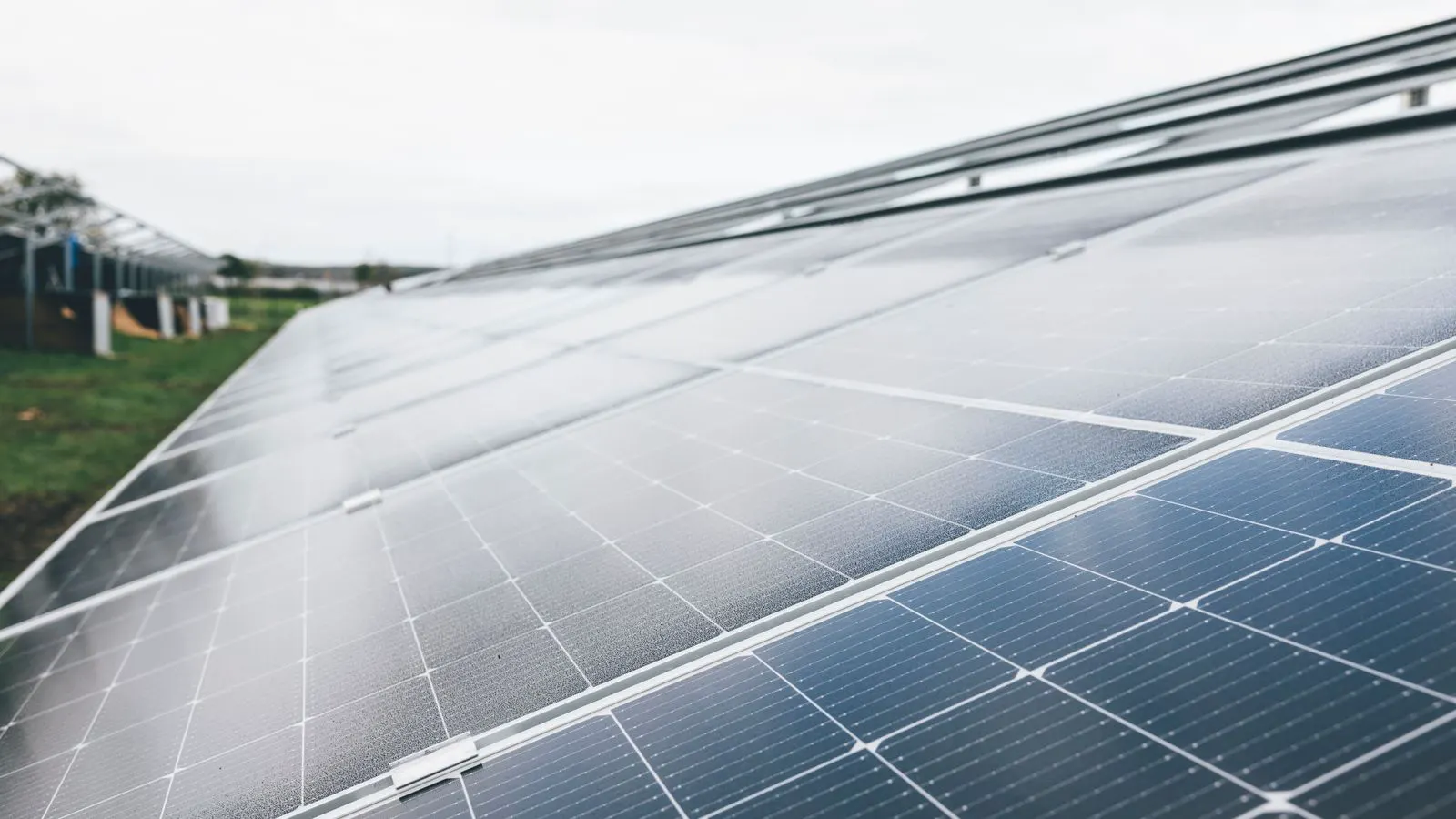
Monocrystalline panels offer proven reliability and lower upfront cost. TOPCon panels deliver higher efficiency and better low-light performance. Your choice depends on roof space, budget, and long-term energy yield goals.
- TOPCon panels generally produce more energy per square meter than standard monocrystalline panels.
- Standard monocrystalline panels often cost less and have longer track records in the market.
- Roof area and local climate directly impact which panel type provides better return on investment.
- Check module warranties and inverter compatibility before finalizing your purchase.
What Is the Core Difference Between These Two Technologies?
Both technologies start with silicon wafers. The difference lies in how the silicon is processed and what materials sit on the front surface.
Standard monocrystalline panels use a passivated emitter and rear cell architecture. This method has matured over two decades. The surface features a thin layer of silicon that blocks unwanted electrical current. It is simple, proven, and widely understood by installers. The front of the cell is coated with a thin transparent conductive oxide, which lets light in while allowing electrons to escape into the metal grid. The rear contact is a separate layer that collects the current. The gap between these two contact points is where recombination happens, a process where electrons lose energy as heat instead of producing power.
TOPCon stands for Tunnel Oxide Passivated Contact. It uses a tunnel oxide layer and a poly-silicon layer on the back of the cell. This structure reduces recombination loss. Electrons move through the back contact with less resistance. The tunnel oxide is a very thin insulating barrier, often measured in nanometers. It blocks direct contact between the active silicon and the metal, preventing charge carriers from being trapped. The poly-silicon layer sits on top of the oxide. It acts as a passivation layer, smoothing out the interface and further reducing electron leakage. The result is a higher efficiency cell.
When you compare these two, you are not choosing between different materials. You are choosing between two different ways of managing the flow of electricity within the same silicon base. The front of a TOPCon cell often looks similar to a standard cell to the untrained eye. The difference is hidden on the rear. The rear of a TOPCon cell is fully covered with a metallic layer. This is called a back-contact design. In standard cells, the metal fingers on the rear block light from reaching that part of the silicon. In TOPCon, the light that reaches the back can still be absorbed if the design allows it, though most modern TOPCon cells focus on optimizing the rear electrical structure rather than light capture from the back. The key engineering change is in the passivation. By improving the rear contact, manufacturers have reduced one of the biggest losses in a solar cell.
Which Panel Type Delivers More Energy Per Square Meter?
TOPCon panels win on efficiency. They convert more sunlight into electricity than standard monocrystalline panels of the same size.
For a fixed roof area, a TOPCon array produces more kilowatt-hours per year. This matters most when roof space is limited. If you have a small rooftop in a dense urban area, every square meter counts. TOPCon allows you to generate more power from that limited footprint. Consider a warehouse in a city center where the roof is partially shaded by neighboring buildings. A standard panel might be rated at 210 watts per square meter. A TOPCon panel might be rated at 230 watts per square meter. Over the life of the project, that difference accumulates. If the roof can only hold 50 panels, the TOPCon array generates significantly more total energy.
Standard monocrystalline panels are still highly efficient. They are not low performance. But the gap in peak efficiency is real. If you are constrained by land or roof area, the higher yield of TOPCon panels often justifies the extra cost. You can think of it as a density issue. You are buying square meters of roof, not panels. If the roof is fixed, you need more watts per square meter to hit your energy target.
There are practical implications for system design. A higher efficiency panel means you need fewer panels to reach the same kilowatt capacity. This reduces the weight on the roof structure. It reduces the number of connections to make. It reduces the number of microinverters or string inverters needed. In some cases, it allows you to use a smaller inverter because the panels are producing more current. This simplifies the electrical layout.
How Do They Perform in Different Weather Conditions?
Temperature and light intensity affect both panel types. However, the behavior differs slightly.
TOPCon cells show better temperature coefficients. As panels heat up under the sun, their voltage drops. This voltage drop reduces power output. TopCon panels lose less power at high temperatures compared to standard monocrystalline panels. This makes them advantageous in hot climates. The temperature coefficient is a measure of how much efficiency the panel loses for every degree Celsius above the standard test condition. A standard cell might lose 0.4 percent per degree. A TOPCon cell might lose 0.3 percent per degree. In a region where the panel reaches 60 degrees Celsius, that difference adds up. The TOPCon array will be producing a higher percentage of its rated output.
In low light conditions, such as cloudy days or early morning, TOPCon panels also tend to perform better. The improved cell structure allows them to capture more energy when the sun is weak. The tunnel oxide and poly-silicon layer improve the internal electric field of the cell. This helps the cell maintain voltage even when the light intensity is low. Standard cells rely more on the front emitter to collect electrons. In low light, the rear of the cell becomes more important for completing the circuit. TOPCon optimizes this rear collection.
Standard monocrystalline panels handle direct sunlight well. They are a reliable choice in moderate climates. If your project is in a region with mild weather and ample roof space, the thermal and low-light advantages of TOPCon may be less critical. You need to look at the local climate data. If the average operating temperature is low, the thermal penalty of standard cells is smaller. If the region has many cloudy days, the low-light advantage of TOPCon becomes more valuable.
How Does the Cost Structure Compare for Buyers?
The upfront price of TOPCon panels is typically higher than standard monocrystalline panels. The premium varies by market conditions and supply chain dynamics. You should not assume a fixed price difference. Check current quotes from multiple suppliers.
The total cost of ownership depends on the entire system. Consider the inverter, mounting hardware, and labor. If TOPCon panels allow you to use a smaller inverter or fewer strings, those savings might offset the higher panel cost. For example, if a standard system requires 100 panels to reach 20 kilowatts, and a TOPCon system requires 90 panels, you save on ten panels. You also save on the mounting rails and the electrical connections. This can reduce the balance of system costs.
Standard monocrystalline panels have a longer history in the market. This means they have extensive installation data and a deep pool of trained technicians. TOPCon is newer. While it is becoming mainstream, some installers may have less experience with it. Factor in labor costs and potential warranty claims when comparing budgets. An installer who is used to standard panels might work faster. They know where the connections are. They know how the modules behave. If they are new to TOPCon, they might spend more time on the installation. This can affect the labor cost.
What About Longevity and Warranty?
Both panel types are built to last. Standard monocrystalline panels have a well documented track record of performance over many years.
TOPCon panels are designed with durability in mind. The back contact structure is covered by glass, which protects the cells from environmental factors. Reputable manufacturers offer similar performance warranties to standard panels.
When evaluating warranties, look at two figures. The product warranty covers physical defects. The performance warranty guarantees a minimum percentage of rated output over time. Compare these figures across both technologies. A higher performance warranty on a TOPCon panel may translate to better long term energy yield.
Check the manufacturer’s data on degradation rates. This metric shows how much efficiency the panel loses each year. Lower degradation means higher output in year ten or year twenty. Degradation is not just a number. It is the physical aging of the silicon. Impurities can migrate. The oxide layers can degrade. The solder joints can crack. The glass can delaminate. A lower degradation rate means the panel retains more of its original output over the years. This is critical for long term projects.
How Do You Choose the Right Panel for Your Project?
Use the table below to evaluate your specific needs. This guide helps you match technology to project constraints.
| Criterion | What to look for | Why it matters |
|---|---|---|
| Roof Space | Total available area and orientation | Determines if higher efficiency is needed to meet energy targets |
| Climate | Average temperature and shading conditions | Affects thermal performance and low light generation |
| Budget | Upfront cost and financing terms | Determines if the premium for TOPCon is affordable |
| Lifespan | Expected project duration and warranty terms | Longer projects benefit from better long term degradation rates |
| Installation | Installer experience and local regulations | Ensures the system is installed correctly and passes inspection |
Consider the following steps when making your final decision.
- Calculate your energy target. Determine how many kilowatt-hours you need to generate annually.
- Measure your available roof or land area. Divide your target by the area to find the required efficiency.
- Request quotes for both panel types. Ask suppliers to include inverter and mounting costs in the quote.
- Check local incentives. Some regions offer higher subsidies for higher efficiency panels.
- Verify warranty terms. Ensure both product and performance warranties meet your risk tolerance.
Common Mistakes to Avoid
Buyers often make errors that reduce the value of their investment.
Do not buy based on peak efficiency alone. A panel with slightly lower efficiency but a much better warranty or a longer degradation curve may be a better long term asset.
Do not ignore the inverter. Some inverters work better with specific cell types. Check compatibility before you buy. Mismatched components can reduce overall system efficiency.
Do not assume TOPCon is always better. If you have a large roof in a mild climate, the cost savings of standard monocrystalline panels may be more significant. The higher yield of TOPCon may not cover the price difference.
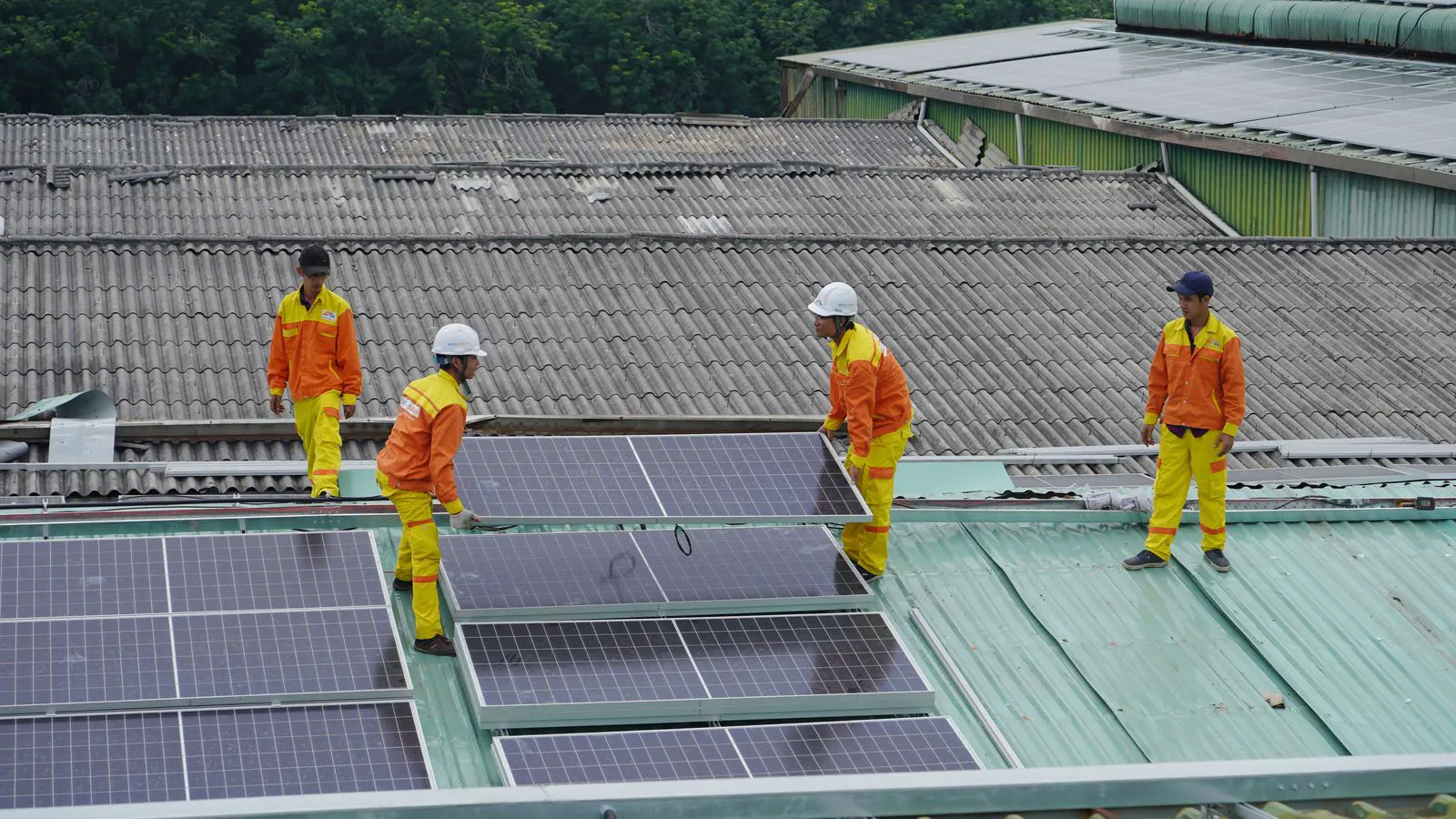
Do not skip the inspection. Ensure your installer follows the manufacturer’s guidelines for both panel types. Incorrect installation can void warranties on either technology.
Final Verdict
The choice between monocrystalline and TOPCon comes down to your specific constraints. If space is tight or temperatures are high, TOPCon panels are the stronger choice. They provide more energy per square meter and handle heat better.
If you have ample space and a tighter budget, standard monocrystalline panels offer a proven, lower cost option. They are reliable and widely supported.
Evaluate your project against the criteria table. Compare quotes carefully. Check warranty terms. Make the decision based on your energy target, budget, and local conditions. Both technologies are viable. Choose the one that fits your project best.
Frequently asked questions
Are TOPCon panels more expensive than monocrystalline panels?
Yes, TOPCon panels usually cost more upfront. The price difference varies by market. You should compare total system costs, not just panel prices.
Do I need a special inverter for TOPCon panels?
No, you do not need a special inverter. Standard inverters work with both technologies. Always check the inverter specifications for compatibility with your chosen panel model.
How much more energy does TOPCon produce than monocrystalline?
TOPCon panels produce more energy per square meter. The exact difference depends on the specific models and local conditions. Review the performance data for the panels you are considering.
Are TOPCon panels a good choice for residential projects?
Yes, they are a good choice for many residential projects. They are ideal for homes with limited roof space. Standard monocrystalline panels are also a solid option for larger roofs.
How long do these panels last?
Both panel types are designed to last for decades. Manufacturers typically offer warranties that cover physical defects and performance for many years. Check the specific warranty terms for your purchase.