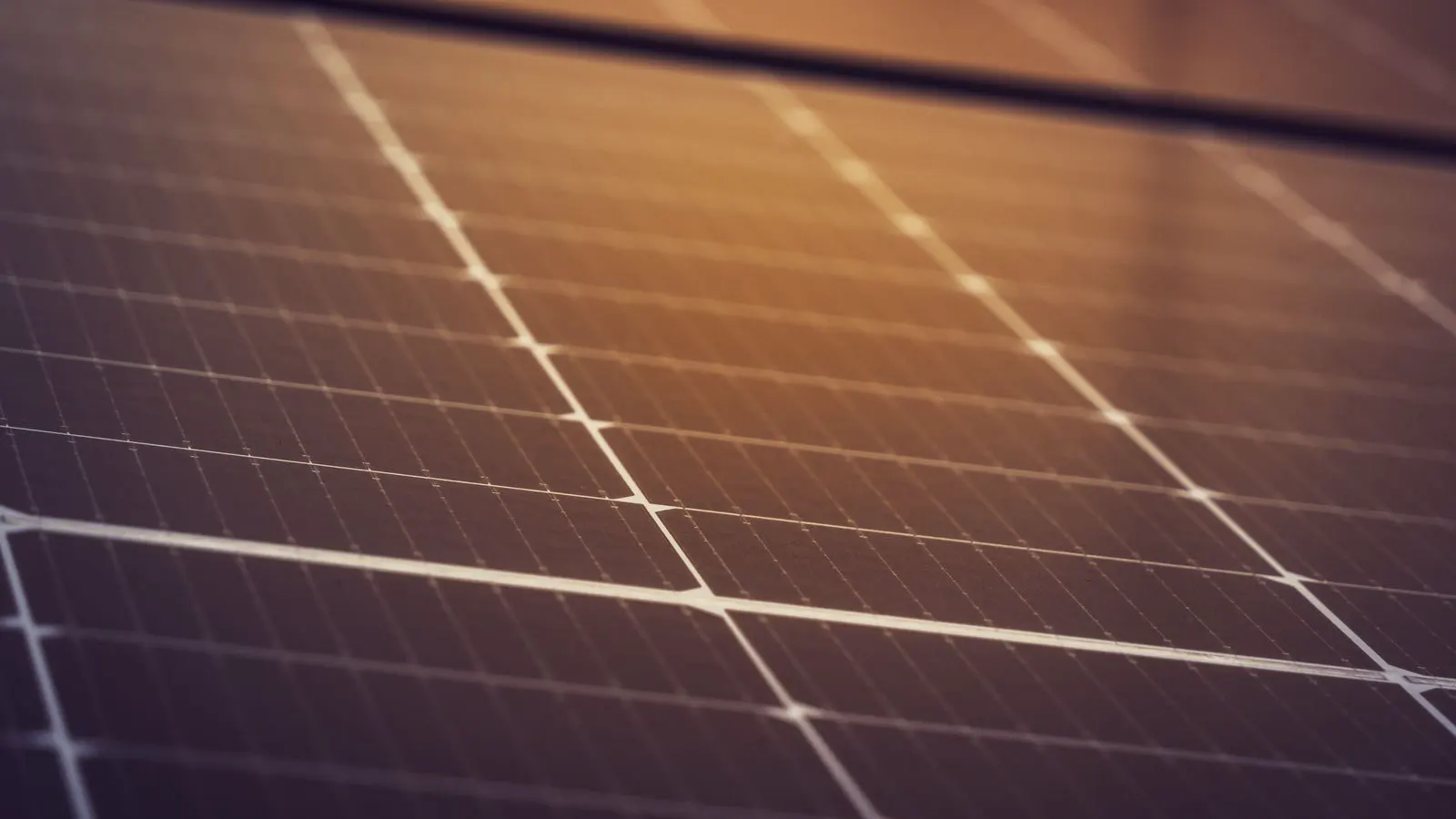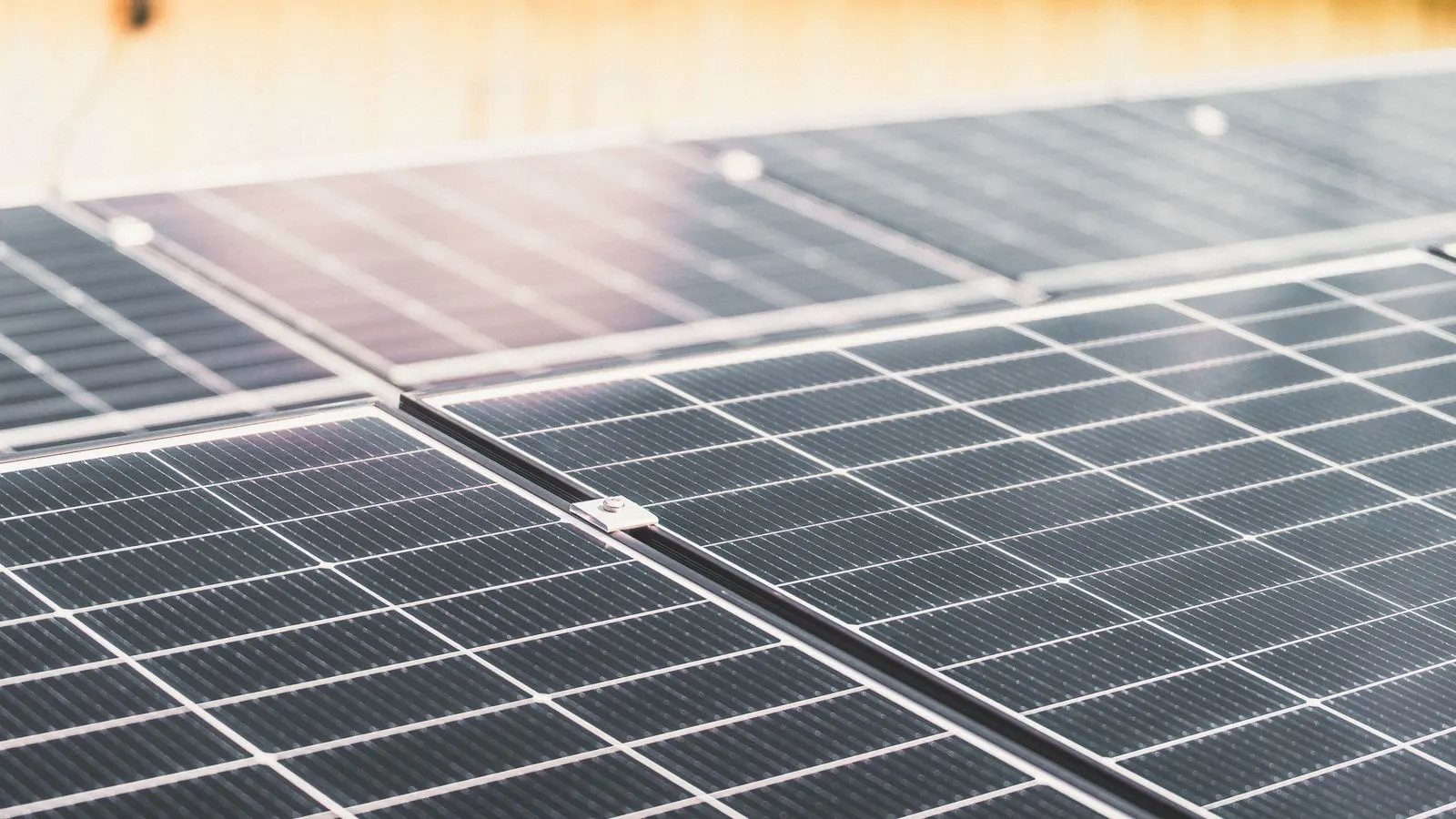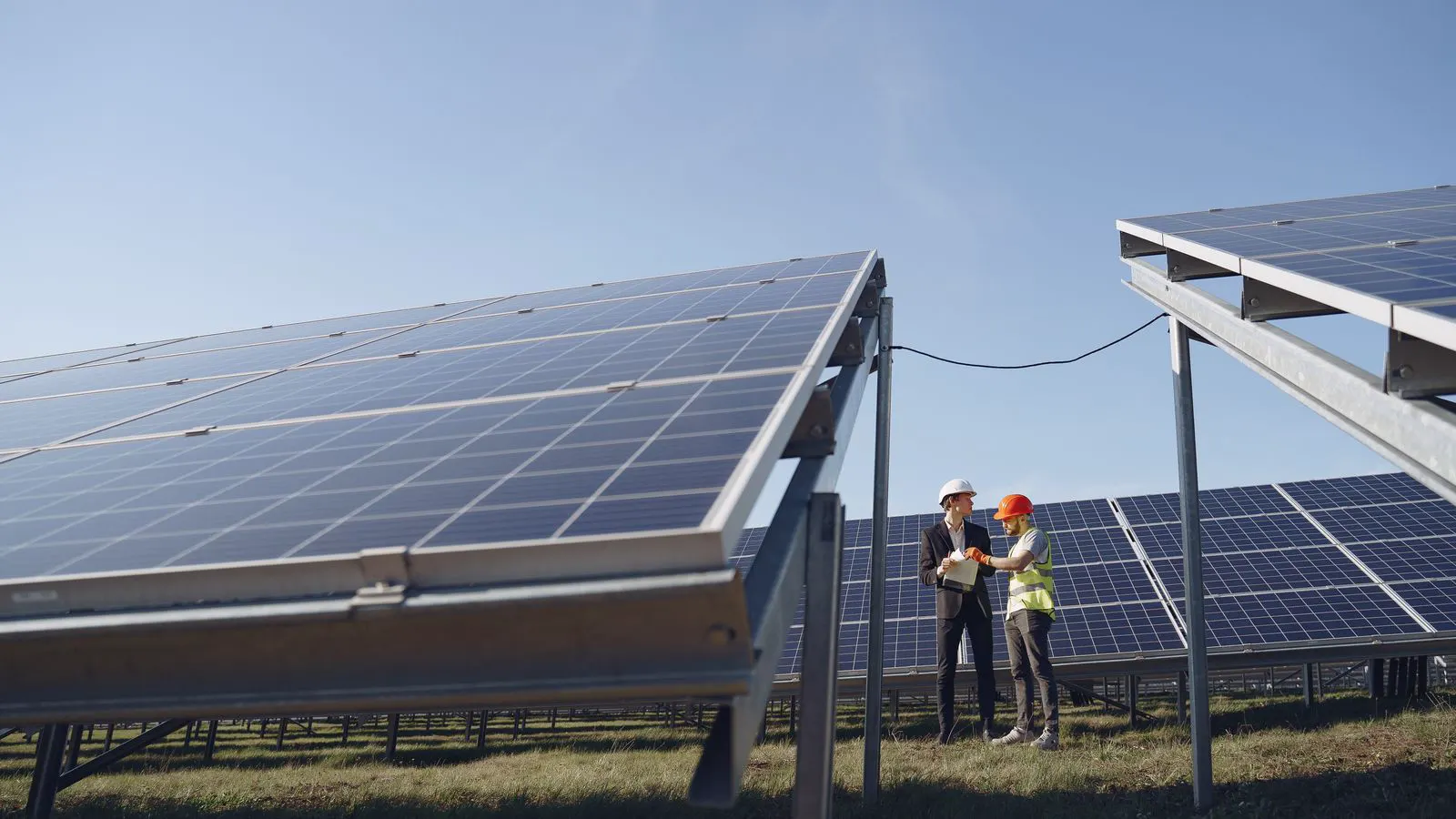
Choose panels with textured glass, durable anti-reflective coatings, and low maintenance profiles. This guide explains how to evaluate soiling losses solar performance, surface coatings, and cleaning frequency for dusty installations.
- Soiling reduces output by blocking light and shading active cells.
- Surface coatings influence how dirt adheres to the glass surface.
- Cleaning frequency depends on local dust, rain, and module design.
- Buyers should verify coating durability and glass texture before purchase.
- A site-specific soiling estimate protects long-term energy yield.
Dust on a panel surface is not just a visual issue. It blocks light, reduces current, and can create uneven heating across cells. In arid or high wind areas, even a thin layer of particulate matter can erode annual yield. This guide explains how to select modules that limit that risk.
What causes soiling losses solar performance to drop
Soiling happens when dust, pollen, bird droppings, or salt spray settles on the module glass. The particles scatter or absorb light before it reaches the solar cells. Even small gaps in coverage can create hot spots where one part of a string receives more heat than another. That uneven stress accelerates degradation over time.
Dust is the main problem in many commercial and utility projects. It is fine enough to stick to the glass, dry quickly, and build up in layers. Rain can wash some of it away, but wind can spread it. If the site has no regular rainfall, the accumulation rate increases significantly.
The effect on output is not uniform. A single dirty cell in a series string can drag down the performance of the whole string. This is why soiling is a real engineering concern, not just a maintenance task.
How surface coatings affect dirt retention
The front surface of a module is the first line of defense. Most panels use tempered glass with an anti-reflective coating. Some use textured glass that scatters light and changes how particles land. Others apply hydrophobic or oleophobic coatings to make the surface less sticky.
Surface coatings matter for three reasons. First, they influence how much light enters the module. Second, they change the friction between the glass and dust. Third, they affect how quickly rain or wind removes the layer.
A smooth, highly reflective glass can look clean but may hold dust tightly if it develops a static charge. A slightly textured surface can shed fine particles with wind. A hydrophobic coating may cause water to bead up and carry dirt away during rain.
However, coatings are not permanent. Abrasion from sand, chemical exposure from industrial air, or high temperature cycling can degrade the finish. A coating that works well in a mild climate may fail in a desert. Buyers should ask for durability data on the specific coating used.
Which glass types resist dust better
Glass texture is a practical factor. Flat glass is common and inexpensive. Textured glass has a pattern that scatters light and reduces the chance of dust settling in a single plane. Some manufacturers offer anti-soiling glass with a nano-structured surface.
The texture also affects cleaning. Rough surfaces can trap grit, which makes hand cleaning more abrasive. Smooth glass is easier to wash but may require more frequent cleaning if dust sticks tightly.
For dusty sites, a glass with a low surface energy is often preferred. It does not attract dust the way a static-charged surface does. The trade-off is that some textured surfaces may have slightly lower light transmission if not well engineered.
Check the glass thickness too. Thicker glass is more robust against abrasion but heavier and more expensive. For roof-mounted systems, weight matters. For ground-mounted systems, durability under sand storms is more important.
How to evaluate cleaning frequency and cost
Cleaning frequency is the operating cost side of soiling. A module that needs cleaning twice a year has very different lifecycle costs from one that needs weekly washing.
Start with the local climate. Annual rainfall, wind speed, and dust concentration determine the baseline. A site with frequent rain may need little to no manual cleaning. A site with low rain and high wind may need automated washing or scheduled labor.
Automated cleaning systems use water, brushes, or dry pads. They can be economical for large arrays but require infrastructure. Manual cleaning with rags or low-pressure water is cheaper but labor-intensive. Dry cleaning is useful for small sites or where water is scarce.
The cost of cleaning must be weighed against the benefit. If soiling reduces output by a small amount, cleaning may not pay back. If it reduces output significantly, a cleaning contract is a necessary operating expense.
A practical check is to look at the module’s surface energy and the local dust particle size. Fine dust sticks longer. Coarse dust is easier to remove. If the site has a mix, plan for regular cleaning.
Criteria for selecting low soiling modules
Use the table below to compare options. Each criterion points to a different aspect of module design and site fit.
| Criterion | What to look for | Why it matters |
|---|---|---|
| Surface coating type | Hydrophobic, oleophobic, or nano-structured coating | Reduces dust adhesion and helps water remove dirt |
| Glass texture | Textured or low-surface-energy glass | Sheds fine particles and resists static buildup |
| Coating durability | Abrasion resistance and chemical stability | Keeps performance stable over years of exposure |
| Frame and seal design | Sealed edges and durable junction boxes | Prevents dust entering the module interior |
| Cell technology | Monocrystalline or high-efficiency thin film | Handles uneven soiling with less performance loss |
| Warranty and service | Manufacturer support for cleaning or coating damage | Protects long-term yield and maintenance cost |
Do not buy on efficiency alone. A high-efficiency panel that gets dirty quickly can underperform a slightly lower-efficiency panel that stays clean. The real goal is consistent energy output over the design life.
A site-specific soiling estimate
Before signing a purchase order, run a soiling estimate for the exact site. Use local weather data, dust concentration, and expected rainfall. Model the output loss over a year.
Include the cleaning schedule in the estimate. If the site has no rain, plan for at least two cleaning events per year. If the site is near a road or industrial area, add more. If the site is in a desert with strong wind, consider automated cleaning.
Ask the module supplier for soiling data from similar climates. If they do not have it, request test results from a neutral lab. Look for data on dust adhesion, rain removal, and abrasion resistance.
The estimate should also account for string design. Long strings are more sensitive to uneven soiling. Shorter strings or optimized inverter placement can reduce the impact. If a single dirty cell can drag down a string, the cost of cleaning rises.
Common mistakes in module selection
Buyers often ignore soiling when choosing panels. They focus on peak efficiency, price, and warranty length. That is a mistake in dusty environments. A panel with a poor coating can lose output quickly after installation.
Another mistake is assuming rain will solve the problem. In many arid regions, rain is rare or seasonal. Without regular rain, dust builds up for months. The cleaning plan must cover the dry season.
Some buyers choose the thickest glass available. Thickness helps with abrasion but does not fix a poor coating. A thin, well-coated surface may outperform a thick, uncoated one.
Finally, do not skip the site survey. Wind direction, nearby dust sources, and roof or ground slope all affect how dust settles. A panel that works well in one location may fail in another.
Decision checklist
Use this checklist before finalizing the purchase.
- Confirm the site climate and dust level.
- Review the glass texture and coating type.
- Check coating durability and abrasion resistance.
- Model soiling losses solar output for the site.
- Plan cleaning frequency and cost.
- Verify frame and seal design for dust protection.
- Confirm manufacturer support and warranty terms.
Selecting a module with low soiling sensitivity is a matter of matching the panel design to the site reality. The right choice protects output, reduces maintenance, and supports a stable long-term return.
Frequently asked questions
Do all solar panels have the same soiling resistance?
No. Panel design varies in glass texture, coating type, and frame sealing. These differences change how much dust sticks and how hard it is to remove.
Can a hydrophobic coating replace cleaning?
It can reduce cleaning frequency, but it will not eliminate the need for maintenance. In very dusty areas, regular cleaning is still required.
What is the best glass for a desert site?
A textured, low-surface-energy glass with a durable coating is usually preferred. It sheds fine dust and resists abrasion from sand.
How does soiling affect a string of panels?
A single dirty cell can create a voltage drop across the whole string. This lowers the string output and can cause uneven heating.
Should I buy the most expensive panel for a dusty site?
Not necessarily. The best value comes from a module that matches the site dust profile and has a proven coating. Price is only one factor.