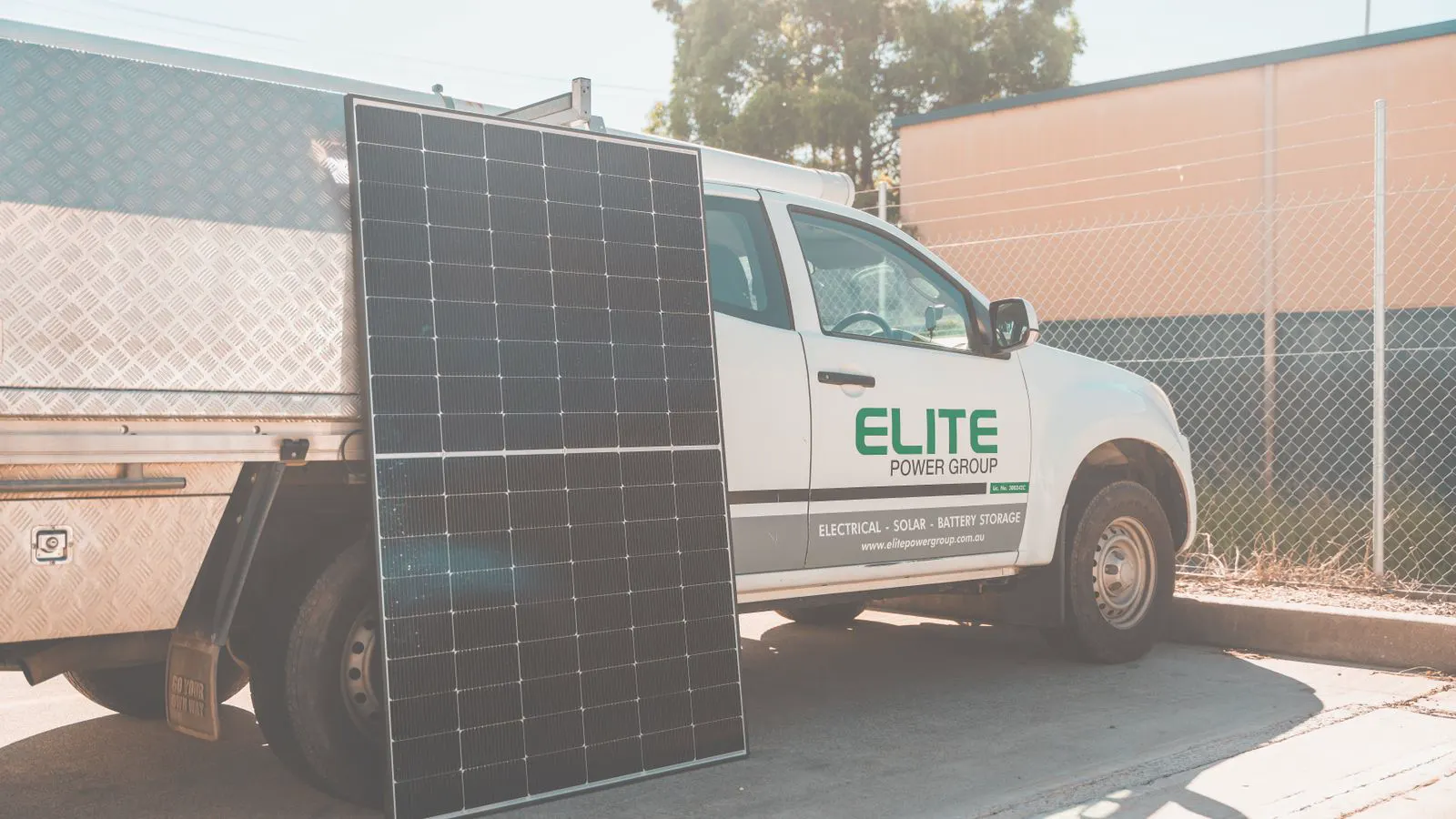
Negotiating solar module pricing requires preparation. This guide explains how to structure bulk purchase discounts, manage procurement negotiation tactics, and evaluate module costs to secure better unit prices from manufacturers for large projects.
- Prepare a detailed specification sheet and timeline before requesting a quote.
- Use competitive bids to create pressure and reveal true market rates.
- Negotiate payment terms and warranty support alongside the unit price.
- Check for hidden costs in shipping, customs, and installation support.
Why Unit Price Is Only Part of the Cost
A low unit price rarely guarantees a low project cost. Buyers often focus on the sticker price per watt and ignore the surrounding variables. Shipping, tariffs, warranty terms, and delivery speed all affect the final budget. A module that costs less per watt but has a long lead time or weak support can be more expensive than a pricier alternative.
Manufacturers set prices based on silicon costs, factory utilization, and logistics. They also adjust for volume. A standard quote for a small order is different from a quote for a megawatt scale project. Understanding this structure is the first step to a better outcome. Consider the total cost of ownership, not just the purchase price. If a supplier offers a lower price but requires you to cover all freight, insurance, and customs clearance, your actual cost may be higher than a competitor’s “higher” price that includes delivery to your site.
The timing of the purchase matters as well. Prices fluctuate based on raw material costs and market demand. A quote valid for thirty days may become obsolete if silicon prices shift. Always confirm the validity period of any quote. If you are planning a large project, lock in the price early or negotiate a price adjustment clause tied to a specific index.
How to Prepare Before Requesting a Quote
Manufacturers respond better to specific requests. Vague inquiries lead to generic prices. Send a clear scope document that includes quantity, technical specifications, and delivery requirements.
Include the following in your request for quotation:
- Total module quantity in units and megawatts.
- Required wattage range and efficiency target.
- Delivery location and Incoterms.
- Requested delivery date.
- Payment terms you prefer to discuss.
- Warranty requirements beyond standard terms.
This data allows the sales team to build a realistic cost model. It also shows you understand the procurement process. A well-prepared request often results in a more detailed and honest pricing proposal. It sets a professional tone for the rest of the conversation.
Be precise about technical specifications. Do not just list “high efficiency.” Specify the exact model series if you have a preference, or define the performance criteria such as temperature coefficient, P85 value, and degradation rate. Mention any specific certifications required for your region, such as UL, IEC, or local grid codes. If you are buying for a residential or commercial project, state the application clearly. Manufacturers often price differently for utility-scale projects versus distributed solar installations because of the required documentation and testing.
Also, specify the preferred packaging method. Standard pallets are common, but if you are importing to a remote site, you might need containerized shipping or special crating. This detail can significantly impact the shipping quote.
Understanding Bulk Purchase Discounts
Bulk purchase discounts are the primary lever in module procurement. Manufacturers offer these because shipping and handling costs are fixed per shipment. Larger orders spread these fixed costs over more units. The discount structure usually follows a curve.
Small orders receive no discount. Mid-size orders get a modest reduction. Large orders can trigger significant price drops. The exact percentage depends on the market position of the manufacturer and the current supply conditions. You should ask for a tiered price list rather than a single number.
Ask the sales team how the discount applies. Does it apply to the base price or after freight? Does it apply to the entire order or only the modules? Clarifying these details prevents disputes later.
| Criterion | What to look for | Why it matters |
|---|---|---|
| Discount Structure | Tiered pricing based on volume | Ensures you get the maximum applicable reduction for your order size |
| Price Validity | Number of days the quote remains firm | Protects you from price hikes during negotiation |
| Payment Terms | Net 30, 60, or 90 days | Affects your cash flow and total cost of capital |
| Warranty Scope | Power output guarantee duration | Protects against underperformance and protects resale value |
| Delivery Terms | Incoterms and shipping responsibility | Clarifies who pays for freight and insurance |
Request a breakdown of the discount calculation. For example, if you order 10,000 modules, ask how many fall into each tier. Some manufacturers apply a single discount to the whole order, while others apply different percentages to different portions. The latter can result in a lower average cost if you structure your order correctly.
Also, ask about the minimum order quantity for each tier. If you are close to a threshold, you might consider consolidating orders with other projects in your portfolio to reach that level.
Tactics for Effective Procurement Negotiation
Procurement negotiation is a process, not a single meeting. Start with a wide net. Contact multiple manufacturers and distributors. Do not share your full budget or timeline with everyone at once. The goal is to get a baseline.
Once you have several quotes, compare them side by side. Look beyond the unit price. Check the warranty, the shipping terms, and the delivery date. Use the best offer as a benchmark. In the negotiation, state your target price clearly. Reference the competing offers without naming the competitors if you prefer.
Negotiate on the total value, not just the price. If the manufacturer cannot lower the unit price, ask for added value. This might include extended warranty, better packaging, or priority shipping. You can also negotiate payment terms. A slightly higher price with Net 60 terms can be better than a lower price with upfront payment.
Avoid getting into a price war. Focus on the terms that affect your project timeline and risk. A firm delivery date is often more valuable than a small price cut. If the manufacturer can guarantee the date, that reduces your risk of project delays.
Use internal benchmarks. If you have purchased modules in the past, use those prices as a reference point. If you are a new buyer, use industry averages from public reports as a starting point for your target price.
Be prepared to walk away. If a supplier is unwilling to meet your minimum requirements on warranty or delivery, the long-term cost of risk may outweigh the short-term savings. A professional buyer knows when to pull out of a negotiation.
Managing Hidden Costs in the Procurement Chain
The module price is the starting point, not the end. Shipping costs can be a large portion of the total expense, especially for long-distance moves. Customs duties and taxes add to the landed cost. You need to know the total landed cost before you sign a contract.
Ask the manufacturer to break down the shipping estimate. Compare FOB, CIF, and DDP options. FOB means the seller delivers to the port. CIF includes insurance. DDP includes delivery to your site. DDP is convenient but often more expensive. CIF gives you control over the final leg.
Check for any surcharges. Some manufacturers add fees for special packaging or expedited handling. Review the contract for price adjustment clauses. If the price is variable, you need a formula. If it is fixed, ensure it is valid for the duration of the production run.
Consider the impact of exchange rates. If you are paying in a foreign currency, a fluctuation in the exchange rate can erode your savings. Look for contracts that allow for a fixed exchange rate or a cap on fluctuations.
Also, account for storage costs. If the modules arrive at the port before you are ready to install them, you will pay for warehousing. Plan your delivery schedule to minimize storage time.
Evaluating Manufacturer Reliability and Risk
A low price from an unreliable supplier creates hidden risk. Check the manufacturer’s track record. Look for references from other buyers in your region. Ask about their production capacity. If the factory is at full capacity, lead times can stretch.
Review their financial stability. A manufacturer that is struggling may cut corners on quality or go out of business. Check their warranty track record. How long do they actually honor their claims? This is a key part of procurement negotiation.
Ask about their spare parts policy. If a module fails, will they send a replacement quickly? This affects your maintenance costs. A reliable partner reduces the risk of project delays and financial loss.
Visit the factory if possible. If you cannot visit in person, request a video tour. Look for evidence of quality control processes. Check if they have ISO certifications. These are not guarantees of quality, but they indicate a commitment to standardized processes.
Also, consider the manufacturer’s reputation in your specific market. A company that is highly rated in Asia may have a different reputation in Europe or North America. Local support is critical for handling issues.
A Practical Checklist for Final Decision
Before signing, run through this decision checklist. Ensure every item is satisfied.
- The unit price meets your target budget.
- The discount structure is clear and applied correctly.
- Delivery terms match your project schedule.
- Warranty terms are sufficient for your risk tolerance.
- Payment terms align with your cash flow strategy.
- Shipping and duty costs are included in the total.
- The manufacturer has a solid track record.
- The contract protects you from price changes.
- You have a backup plan if the supplier fails.
- All technical specifications are documented.
Review the contract with your legal team. Pay attention to the termination clauses. Know what happens if the supplier breaches the contract. Ensure the warranty terms are clear and enforceable.
Final Thoughts on Pricing Strategy
Securing the best solar module pricing requires preparation and patience. It is not just about asking for a discount. It is about understanding the cost structure and negotiating on terms that protect your project. Use competitive bids, define your requirements clearly, and focus on the total landed cost.
A well-negotiated contract gives you a stable price and a reliable partner. This reduces your risk and ensures the project stays on budget. The goal is a fair deal that works for both sides. You get the modules you need, and the manufacturer gets a long-term relationship. That is the best outcome for a professional buyer.
Frequently asked questions
How do I know if a module price is fair?
Compare the price against at least three other quotes. Check the total landed cost, including shipping and duties. A fair price is competitive and includes clear terms.
Can I negotiate the warranty if the price is fixed?
Yes. If the manufacturer will not lower the price, you can ask for extended warranty coverage or better support terms. This adds value without changing the base cost.
What are the risks of buying from a single supplier?
You lose use in future negotiations and face supply risk. If the supplier has a production issue, your project may be delayed. Diversify your suppliers if possible.
How long should a quote be valid?
Ask for a validity period of at least 30 days. This gives you time to review the terms and make a decision. Shorter validity periods increase your risk of price changes.
Is it better to pay upfront for a discount?
It depends on your cash flow. An upfront payment may offer a small discount but ties up your capital. Compare the discount rate against your cost of capital before deciding.