Vertical integration in solar manufacturing changes how buyers secure supply and manage quality. This article outlines six shifts affecting procurement, material traceability, and long-term supplier relationships. It explains how to adjust contracts and audits to prepare for a more consolidated supply chain.
- Integrated suppliers control more of the production chain, which improves traceability but reduces redundancy.
- Buyers must shift from price-focused sourcing to long-term capacity planning and joint quality standards.
- Contract terms need to address material substitution, traceability, and exit strategies.
- Quality audits should move upstream to check wafer and cell production, not just final module testing.
- Diversification remains necessary, but it may require accepting higher costs for greater supply security.
Why Vertical Integration Matters Now
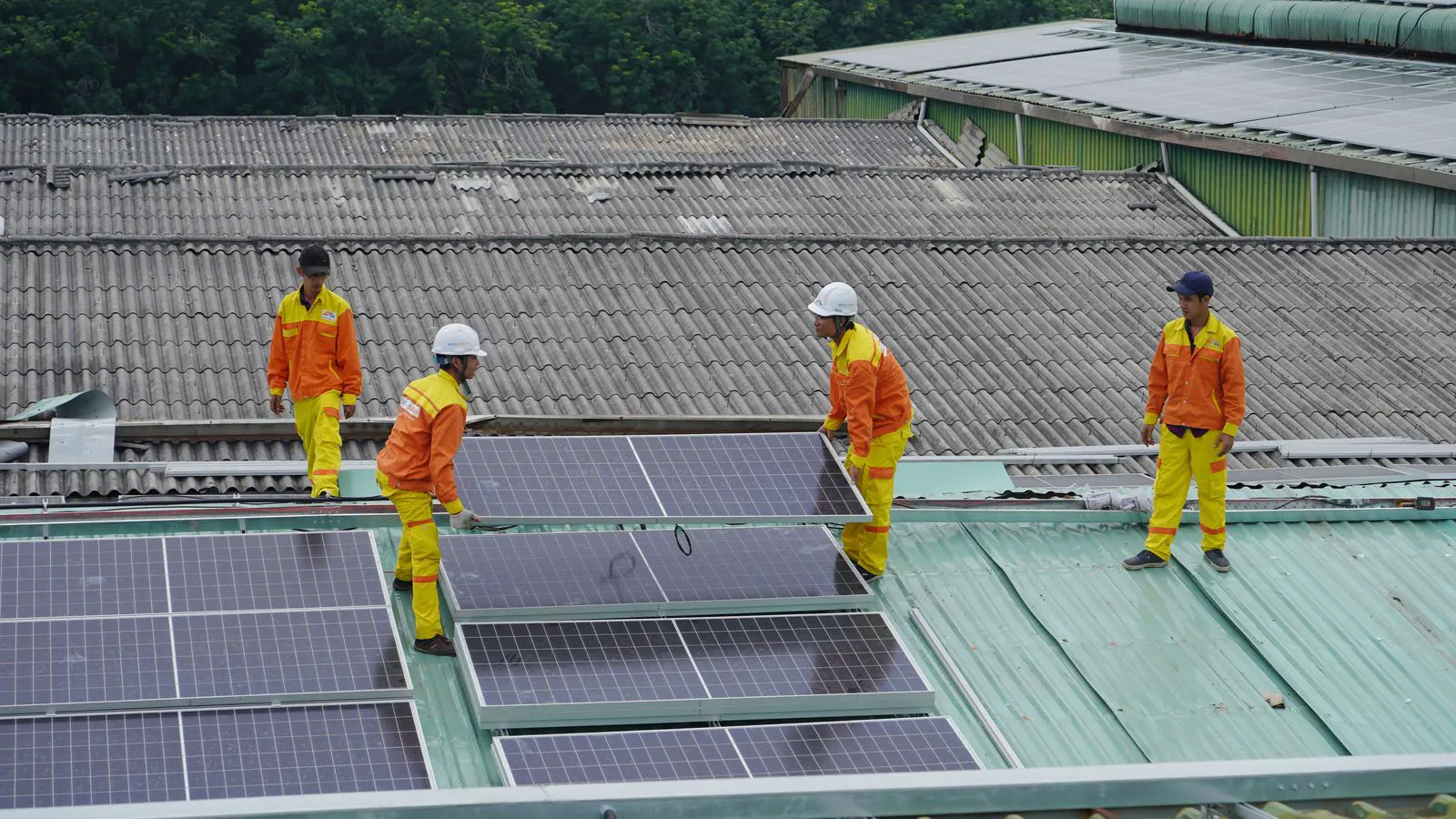
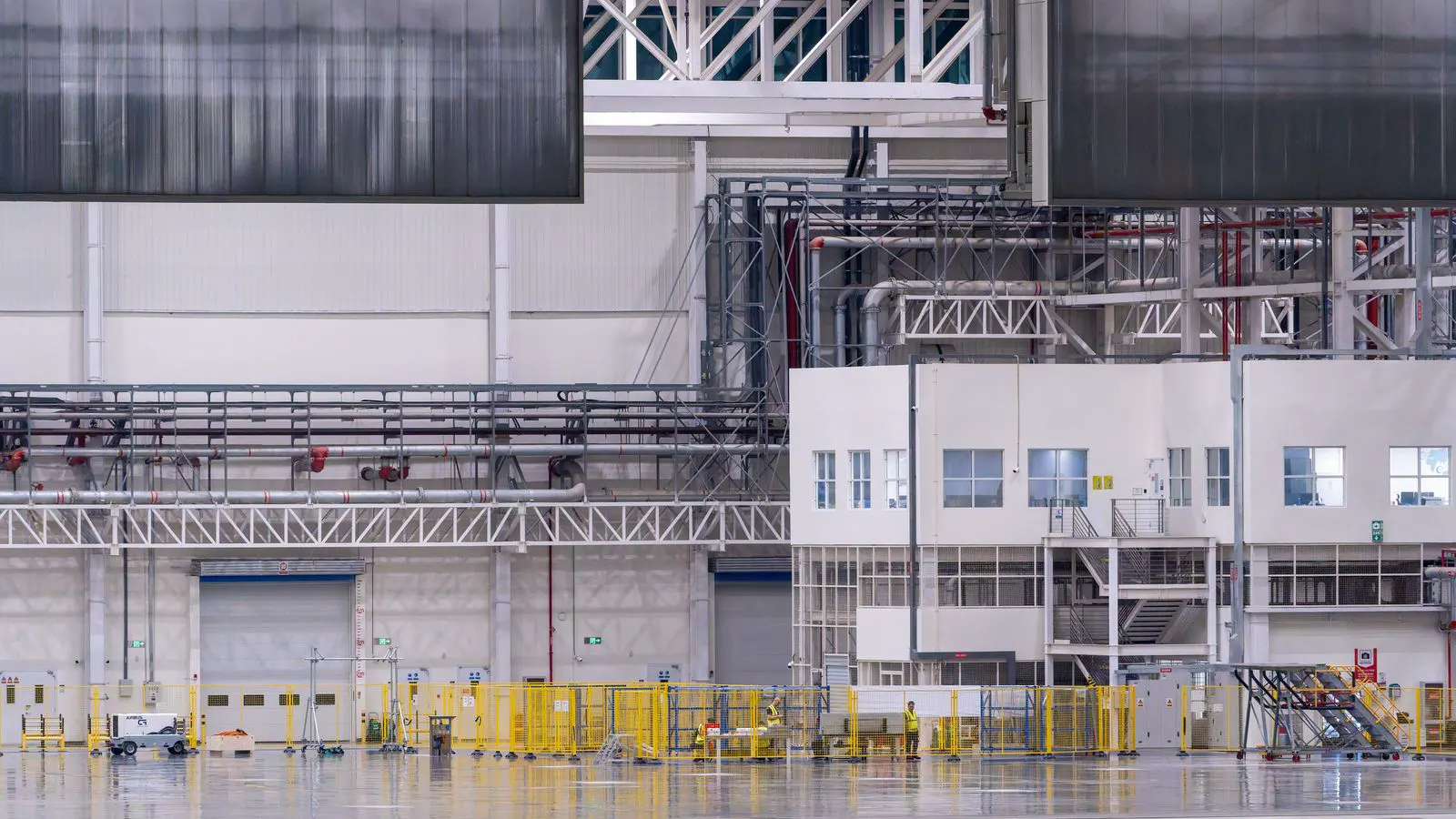
The solar industry has moved toward longer, more consolidated supply chains. Many suppliers now control processes that once belonged to separate firms. A single solar panel manufacturer can handle ingot casting, wafer slicing, cell production, and module assembly under one roof. This structure changes how buyers think about risk, quality, and long-term commitments.
For professional buyers, the shift is visible in contract negotiations. Suppliers are less likely to compete on price alone because they carry the fixed costs of multiple production lines. Instead, they compete on capacity availability, technical support, and quality consistency. Buyers must adapt their sourcing strategies to match this reality.
The main benefit is control. When one company manages the full process, defects are easier to trace. A problem in cell efficiency can be linked to a specific batch of wafers. A module failure can be traced back to the exact string of cells used. This level of traceability was harder to achieve when components came from different vendors.
The main risk is concentration. If a large portion of supply comes from a few integrated manufacturers, buyers lose flexibility. A disruption at one facility can affect multiple projects simultaneously. This is why supply reliability planning must now include capacity mapping and contingency sourcing.
How Integration Changes Quality Control
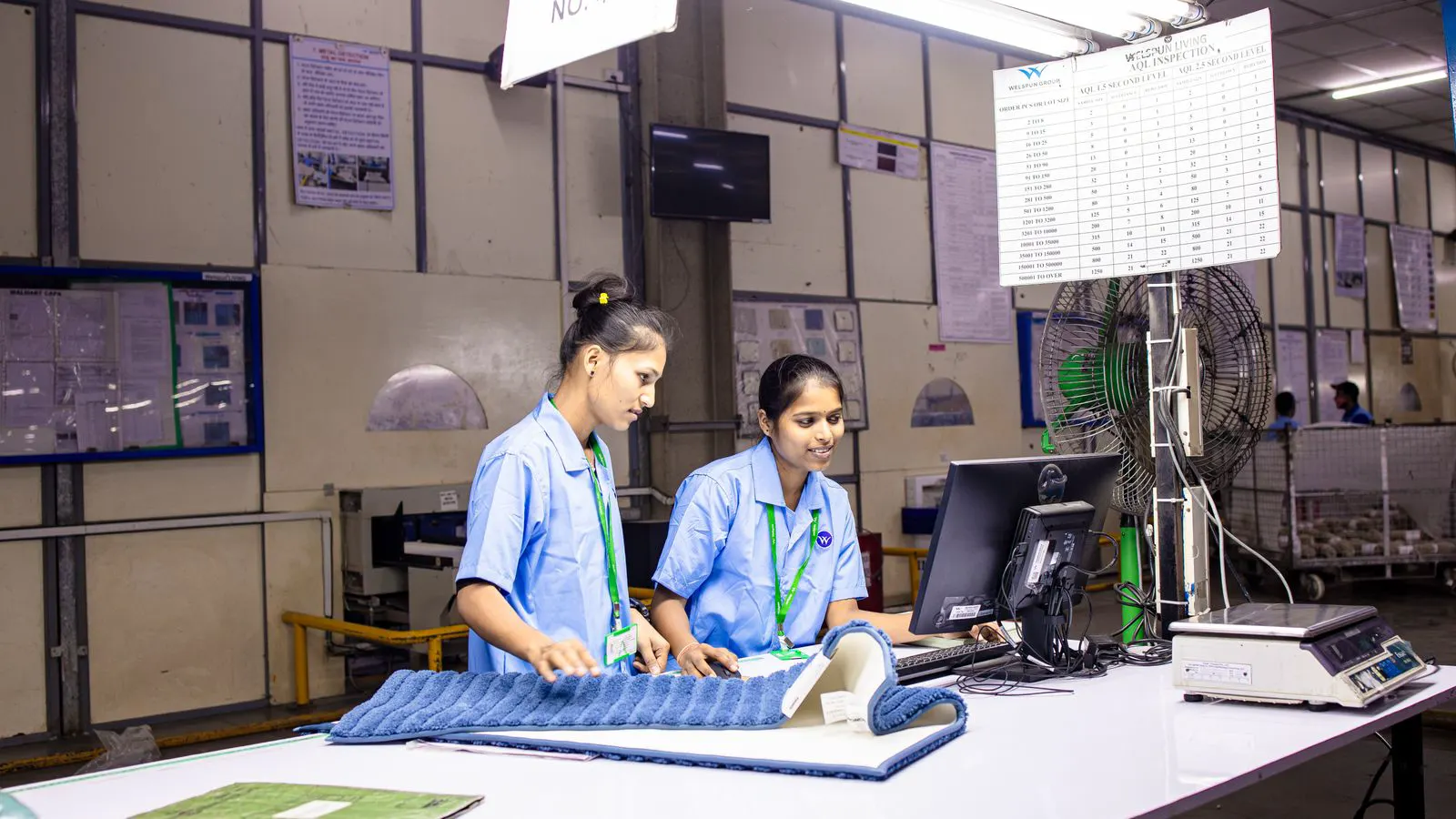
Quality control in an integrated facility operates differently than in a fragmented supply chain. The final module test is no longer the last line of defense. Quality issues are caught earlier in the process, which reduces scrap and improves yield.
Buyers should expect more transparent quality reporting from integrated suppliers. These suppliers can provide data from multiple stages of production. For example, a supplier might share cell efficiency distributions, busbar attachment yields, and module encapsulation pass rates. This data helps buyers verify performance claims before installation.
However, transparency does not always come freely. Some suppliers may share detailed data only with long-term contract holders. Short-term or spot buyers may receive only final inspection reports. This creates a tiered relationship where quality visibility depends on contract length.
Buyers should build quality checkpoints into their contracts. Request access to internal quality records for critical batches. Define acceptance criteria for key metrics such as power loss, degradation rate, and mechanical stress test results. Make these metrics part of the payment terms where possible.
Another shift is in warranty handling. When a supplier controls the full production chain, warranty claims are often resolved faster. The supplier can identify the defect stage and provide a replacement or credit without involving multiple third-party vendors. This reduces administrative burden for the buyer.
What Buyers Should Expect in Supply Reliability
Supply reliability planning must account for the realities of integrated manufacturing. Capacity is more predictable, but less flexible. Integrated manufacturers have high fixed costs and operate at high utilization rates. They are less likely to offer spot production or short-notice expansions.
Buyers should map their supply needs by quarter, not just by year. Identify which projects require modules in specific windows. Match these windows to supplier production schedules. Early commitments help secure capacity, but they lock in pricing and terms.
A practical approach is to use a tiered sourcing model. Reserve a core portion of supply with one or two integrated manufacturers for long-term projects. Keep a smaller portion with secondary suppliers for flexibility. This balance reduces single-point failure risk without sacrificing the quality benefits of integration.
Capacity allocation is a key negotiation point. Large integrated suppliers often prioritize long-term agreements. Buyers should understand how capacity is allocated. Ask about reservation policies, expansion timelines, and what happens when demand exceeds planned production.
Logistics also change with integration. When one supplier manages the full chain, shipment sizes may be larger and less frequent. This can reduce per-unit shipping costs but increases inventory requirements. Buyers need to adjust warehousing and staging plans to match the new shipment patterns.
Contract and Procurement Adjustments
Contracts with integrated manufacturers require different language than those with component suppliers. The traditional focus on unit price is less effective. Instead, contracts should address total cost of ownership, including quality support, traceability, and delivery flexibility.
Define clear escalation mechanisms. What happens if a supplier cannot meet the agreed delivery date? What happens if a material substitution is required? What happens if a defect is discovered after installation? These clauses protect buyers from gaps in the supply chain.
Material traceability should be a contractual requirement. Request batch numbers for wafers, cells, and module components. Require that these numbers be included in the shipping documents. This creates a paper trail that supports warranty claims and quality investigations.
Exit strategies matter more now. If a buyer needs to switch suppliers, what is the cost? Are there penalties for early termination? What happens to prepaid inventory? Build these scenarios into the contract before signing.
Another adjustment is in technical collaboration. Integrated suppliers often offer application support, including system design input and performance modeling. Buyers should define the scope of this support in the contract. Clarify whether the supplier is responsible for inverter compatibility, mounting system recommendations, or performance guarantees.
How to Audit an Integrated Supplier
Auditing an integrated solar panel manufacturer requires a different scope than auditing a final assembly plant. The audit should cover the full production chain, not just the module line.
Start with the raw material stage. Check the source of silicon and other critical inputs. Verify the quality controls at the ingot and wafer stage. Look for equipment calibration records and yield data. These metrics indicate the stability of the upstream process.
Next, move to cell production. Inspect the cell efficiency testing equipment. Review the pass rates for key parameters such as shunt resistance and open-circuit voltage. Check the encapsulation process for module integrity. Look for evidence of consistent workmanship and quality control sampling.
Finally, evaluate the final module assembly line. Check the testing stations for electrical, mechanical, and environmental performance. Review the final inspection records. Verify that the testing protocol matches industry standards and buyer requirements.
Document everything. Take photos, collect samples, and record process parameters. Share the audit findings with your internal team. Use the results to negotiate better terms or identify risk areas.
A Practical Preparation Plan
Buyers can prepare for the shift toward integrated manufacturing by taking specific steps. The following plan outlines a practical approach.
-
Map your supply needs by quarter. Identify projects, volumes, and delivery windows. Create a capacity calendar for the next 24 to 36 months.
-
Identify three to five potential integrated manufacturers. Evaluate them on capacity, quality, financial stability, and geographic location. Request detailed technical and financial information.
-
Conduct site audits at the top candidates. Use a standardized checklist that covers the full production chain. Document findings and compare results.
-
Draft contracts with clear quality, traceability, and exit terms. Involve legal and technical teams early. Align contract language with your audit findings.
-
Implement a tiered sourcing model. Reserve core supply with integrated suppliers. Keep secondary suppliers for flexibility. Review the balance annually.
-
Build a quality dashboard. Track key metrics such as defect rate, delivery performance, and warranty claim frequency. Use the data to make sourcing decisions.
This plan reduces risk and improves performance. It also positions buyers to take advantage of the benefits of integrated manufacturing.
How Integration Affects Long-Term Relationships
The relationship between buyers and integrated solar panel manufacturers is evolving. It is no longer a simple transaction. It is a long-term partnership with shared risk and shared reward.
Integrated suppliers invest heavily in capacity and technology. They need predictable demand to justify these investments. Buyers who offer long-term commitments gain better terms and priority access to capacity.
In return, buyers should expect more collaboration. Integrated suppliers are more willing to work on custom specifications, joint development projects, and performance optimization. This level of engagement was less common with fragmented supply chains.
The long-term benefit is stability. When buyers and suppliers align on capacity and quality, both parties reduce risk. Projects are delivered on time. Quality issues are resolved quickly. Costs remain predictable.
This stability is the goal. Buyers should focus on building relationships that support long-term success. The details matter, but the direction is clear. Plan for integration. Prepare for the shifts.
Summary of Key Considerations
The shift toward integrated manufacturing changes how buyers source solar panels. The key considerations are:
- Capacity planning must be longer-term and more precise.
- Quality control extends to the full production chain.
- Contracts must address traceability, substitution, and exit.
- Audits must cover the entire manufacturing process.
- Sourcing models should balance core supply with flexibility.
These considerations help buyers adapt to the changing industry. They also reduce risk and improve performance. The goal is to build a supply strategy that supports long-term project success.
Frequently asked questions
What is the main advantage of buying from an integrated solar panel manufacturer?
Integrated manufacturers provide better traceability and faster quality issue resolution. They control the full production chain, which makes it easier to identify and fix defects.
How does vertical integration affect supply reliability?
It improves predictability but reduces flexibility. Integrated suppliers have high fixed costs and operate at high utilization rates. Buyers need to plan capacity more carefully.
What should buyers look for in a contract with an integrated manufacturer?
Clear quality metrics, material traceability requirements, escalation mechanisms, and exit strategies. These clauses protect buyers from gaps in the supply chain.
How should buyers audit an integrated manufacturer?
Cover the full production chain, from raw materials to final assembly. Check quality controls at each stage and document findings. Use the results to negotiate better terms.
Is diversification still necessary with integrated suppliers?
Yes. A tiered sourcing model balances core supply with flexibility. This reduces single-point failure risk without sacrificing quality benefits.