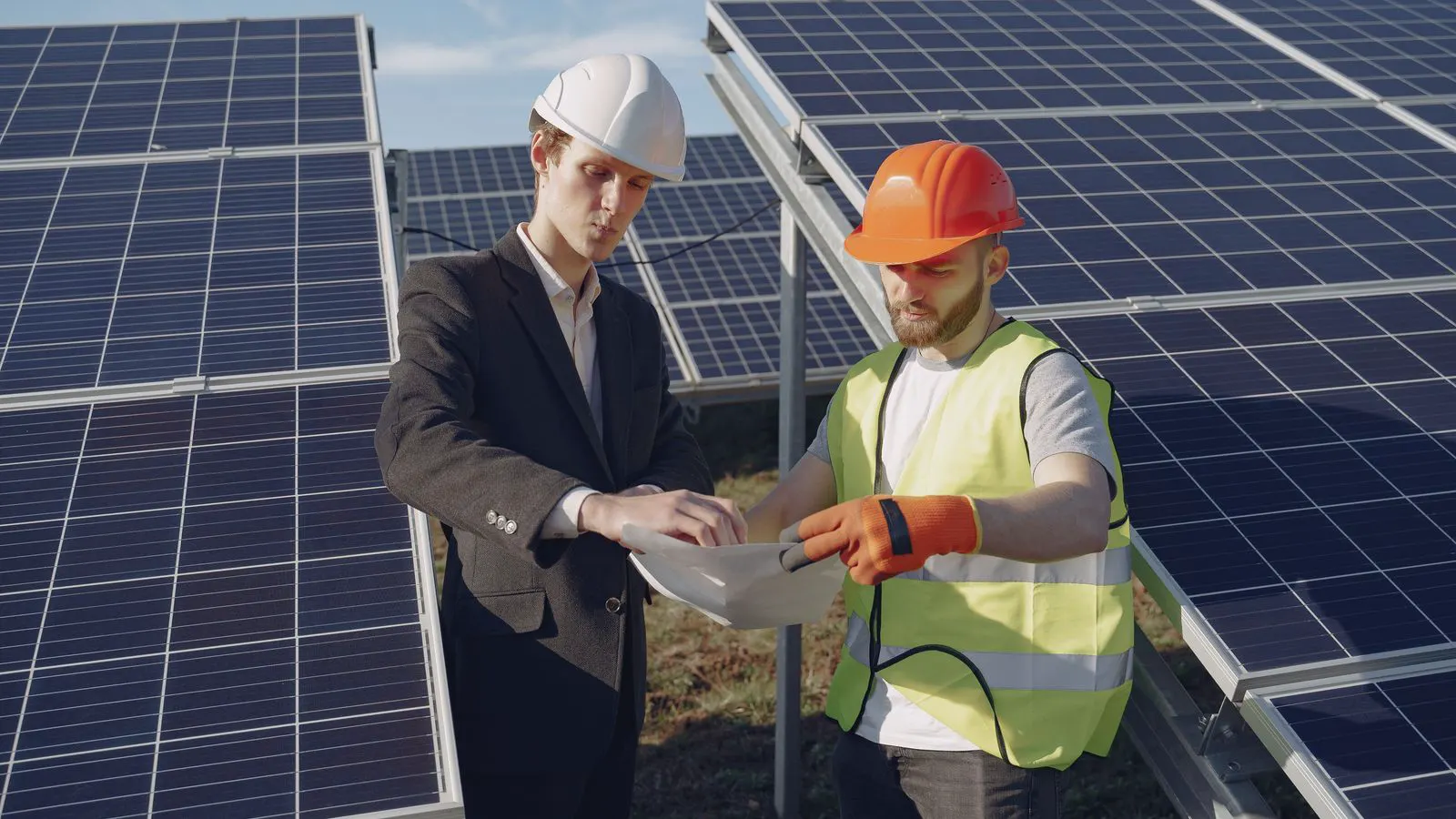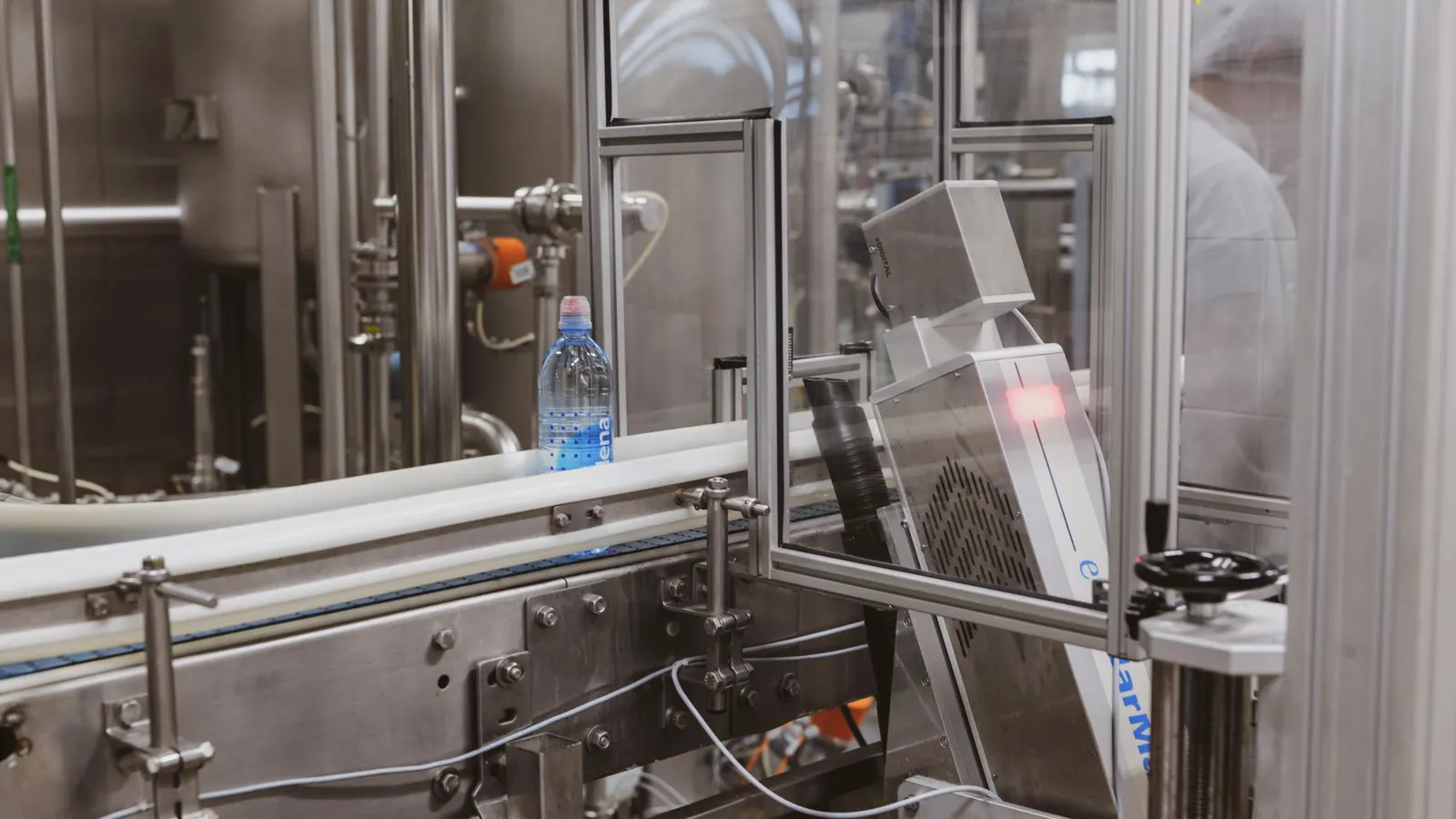
Tier 1 suppliers offer higher upfront costs but provide stronger warranty support, traceability, and supply continuity. Tier 2 suppliers offer lower prices but require deeper due diligence on manufacturing quality and long-term stability. Choose based on project scale and risk tolerance.
- Tier 1 suppliers provide stronger warranty support and supply continuity but command higher module prices.
- Tier 2 suppliers offer lower upfront costs but require deeper due diligence on manufacturing quality and long-term stability.
- Quality control checks should include cell inspection, encapsulant verification, and traceability documentation.
- Choose Tier 1 for large utility projects where supply disruption is costly.
- Consider Tier 2 for smaller projects where budget is tight but you can manage higher risk.
What separates Tier 1 from Tier 2 module suppliers
Tier 1 suppliers operate as major global manufacturers with multi-year track records, large production capacity, and direct access to upstream materials. They typically hold major utility-scale projects and maintain long-term supply agreements with grid operators and EPC contractors. Their modules often pass rigorous independent testing and carry stronger warranty terms. These firms control significant market share and have the financial muscle to support their products for decades.
Tier 2 suppliers are emerging manufacturers or smaller established firms with shorter track records. They may produce modules for residential or small commercial projects. Prices are generally lower because they have less overhead and less brand recognition. However, their supply chains can be less transparent, and their long-term stability is harder to verify. Some Tier 2 firms operate as niche specialists, focusing on specific cell architectures or regional markets.
The difference is not just price. It is risk allocation. A Tier 1 supplier absorbs more risk on the buyer through warranty support and supply guarantees. A Tier 2 supplier shifts more risk to the buyer through lower prices but thinner warranty terms and less proven performance data. The buyer must decide which risk they are willing to carry and how they can manage it.
How to evaluate supplier tiers before procurement
Before choosing a reliable solar supplier, define your risk tolerance. A utility project with a 30-year power purchase agreement needs a different supplier profile than a rooftop installation for a single building. The financial life of the asset dictates the level of security required from the manufacturer.
Check the following:
- Production capacity and utilization rates. A supplier with high utilization may struggle to meet sudden order increases.
- Cell and wafer sourcing. Do they manufacture cells in-house or buy them from third parties? In-house production gives more control over quality.
- Independent test results. Look for reports from accredited laboratories covering efficiency, temperature coefficients, and degradation rates.
- Warranty terms. Read the module warranty and power output guarantee carefully. Note the difference between product warranty and performance warranty.
- Financial stability. Check public filings, credit reports, and client references. A supplier that disappears after installation leaves you with no recourse.
- Traceability documentation. Each module should have a serial number that links to the cell lot, encapsulant batch, and testing records.
These checks take time. They require patience and a willingness to ask direct questions. Suppliers who provide vague answers or refuse to share test reports are often hiding problems.
Comparison of supplier options
| Option | Best for | Limitations |
|---|---|---|
| Tier 1 established manufacturer | Utility-scale projects, long-term contracts, buyers who want warranty certainty | Higher module cost, longer lead times, less flexibility for small orders |
| Tier 2 emerging manufacturer | Small commercial or residential projects, budget-focused buyers | Weaker warranty support, less proven track record, higher risk of supply disruption |
| Tier 1 supplier with regional assembly | Projects where local labor or import tariffs matter | Assembly may not cover full manufacturing, quality control varies by site |
| Tier 2 supplier with in-house cell production | Buyers who want lower cost but need more quality control | Smaller scale limits volume, financial stability is harder to verify |
| Tier 1 supplier with vertical integration | Projects needing stable supply and cost control over 25+ years | Higher entry cost, less competitive on small orders |
Tier 1 suppliers win on certainty. Their modules are tested across multiple plants, and they have the capital to support warranty claims for decades. If your project has a 30-year life cycle, the warranty matters as much as the initial price. The module is a long-term asset, and the manufacturer’s ability to service it is a core part of its value.
Tier 2 suppliers win on price. If your project is a 10-year commercial roof or a residential array, the lower module cost may offset the higher risk. But you need to verify that their quality control processes are not cut corners. The price difference is real, but so is the potential cost of a failed module in a large array.
Quality control: what to actually check
Quality control is not a checkbox. It is a series of physical checks and document reviews. For Tier 1 suppliers, expect standard processes. Each module goes through cell inspection, lamination, encapsulation, and final testing. The encapsulant, usually EVA or POE resin, is critical. It protects the cells from moisture and UV degradation. A cheap supplier may use lower-grade encapsulant that yellows or delaminates over time.
For Tier 2 suppliers, ask for their quality control plan. Look for:
- Cell sorting by efficiency and defect rate.
- Encapsulant batch testing for moisture absorption and UV stability.
- Final module testing for electrical parameters, including Voc, Isc, and Pmax.
- Sampling inspection of finished products before shipment.
A reliable solar supplier will provide these documents on request. If they refuse, that is a red flag. You need to see how they handle defects. Do they reject modules that fail final tests? Do they rework them, or do they scrap them? The answer tells you about their culture of quality.
When to pick Tier 1
Pick Tier 1 when:
- Your project has a long financial life cycle and warranty support matters.
- You are contracting with an EPC firm that requires supplier guarantees.
- Supply disruption would cost more than the module premium.
- You need traceability for compliance or insurance purposes.
- The project is utility-scale or a large commercial campus.
Tier 1 suppliers are not always the cheapest. But they reduce the chance that a module failure becomes a project failure. Their supply chains are built for volume, and their warranty teams are staffed to handle claims. If a module fails after five years, you want a manufacturer that can trace the defect back to a specific production lot and replace the affected units quickly.
When to pick Tier 2
Pick Tier 2 when:
- Your budget is tight and the project life cycle is shorter.
- You can manage the risk by doing your own due diligence.
- You have a relationship with the supplier and can verify quality on-site.
- The project is residential or small commercial.
- You can negotiate better warranty terms than the standard offer.
Tier 2 suppliers are not inherently bad. Many are competent manufacturers with good processes. The issue is visibility. You need to see their factory, their test reports, and their client history. A site visit to a Tier 2 plant is more valuable than a brochure. You want to see how they manage their production lines and how they handle quality control.
How to verify supplier claims
Do not take the supplier’s word for their quality. Verify it.
Visit the factory. Look at the cell line, the lamination line, and the testing area. Check if the workers follow documented procedures. Ask to see the last three months of test reports. Compare the efficiency claims against the actual test data. If the claimed efficiency is 21% but the test data shows 20.5%, that is a discrepancy you need to understand.
Check their client list. Call two or three recent clients. Ask about installation experience, warranty claims, and communication. A supplier that cannot provide references is hiding something. You want to hear from people who have actually installed their modules and are living with the results.
Use a third-party auditor if the project is large. They can inspect the supply chain, verify materials, and test a sample of modules. This is more expensive but cheaper than replacing failed modules later. The auditor will look at the entire process, from raw material receipt to final shipment.
Lead time and supply risk
Lead times vary by supplier tier and market conditions. Tier 1 suppliers often have longer lead times because they prioritize large utility projects. Tier 2 suppliers may have shorter lead times because they are more flexible. But shorter lead time is not always better. A supplier that rushes production may cut quality corners. Ask how they manage surge orders. Do they have spare capacity? Do they hold safety stock?
For long projects, lock in supply with a contract. Specify the module model, quantity, delivery schedule, and penalties for delay. A reliable solar supplier will accept these terms. If they refuse, walk away. You need a supplier that understands the financial impact of a delayed delivery. The cost of a delayed project can far exceed the module price.
Final decision framework
Match the supplier tier to your project profile.
- Utility-scale or long-life commercial: Tier 1.
- Small commercial or residential: Tier 2 if budget is tight and you can do due diligence.
- Mixed portfolio: Mix Tier 1 for critical assets and Tier 2 for smaller projects.
- New market or new technology: Start with Tier 1 until you have more data.
The goal is not to pick the cheapest module. It is to pick the supplier that aligns with your risk tolerance and project requirements. A reliable solar supplier is not the one with the lowest price. It is the one you can trust to deliver quality, support warranty claims, and stay in business for the life of the project.
Frequently asked questions
Are Tier 2 solar module suppliers always lower quality?
Not necessarily. Many Tier 2 suppliers have good quality control. The difference is usually in track record, warranty support, and supply continuity, not just module performance.
How do I verify a supplier's quality control process?
Request test reports, visit the factory, and check client references. Look for documented cell inspection, encapsulant testing, and final module testing.
Can I mix Tier 1 and Tier 2 suppliers in one project?
Yes, but specify which modules go where. Use Tier 1 for critical assets and Tier 2 for less critical sections. Ensure both meet the same performance standards.
What is the biggest risk with Tier 2 suppliers?
Long-term stability. A Tier 2 supplier may go out of business or change ownership, leaving you without warranty support or replacement modules.
How much should I budget for due diligence?
For small projects, a few days of research and one site visit may be enough. For large projects, budget for a third-party audit and detailed contract review.