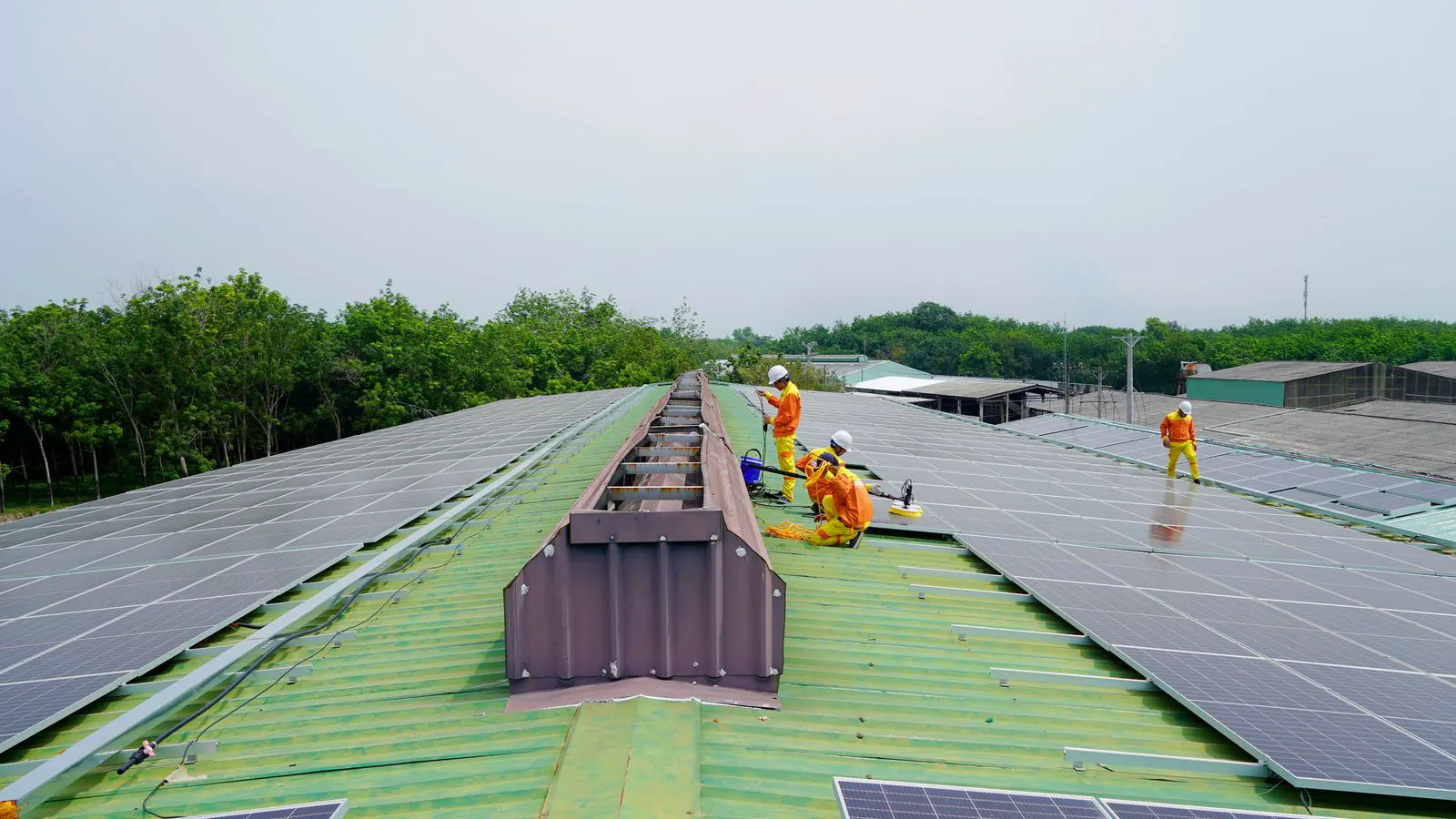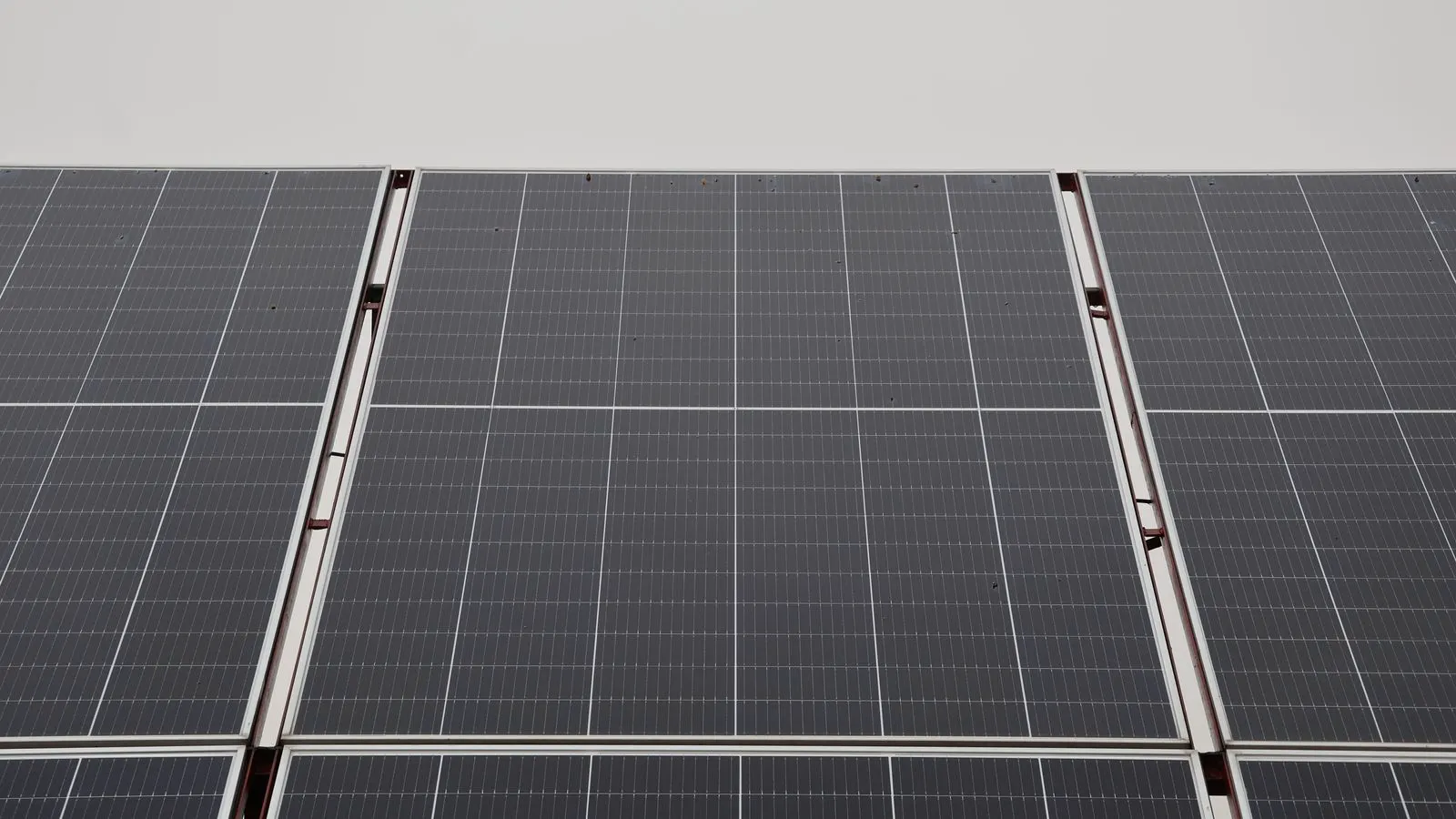
Choose certified solar modules by verifying independent testing reports, matching safety standards to local codes, and confirming performance data against project requirements. This guide outlines the specific checks needed for large-scale procurement.
- Verify independent test reports before signing a purchase order.
- Match safety certification requirements to local grid and building codes.
- Check environmental durability ratings against the project site climate.
- Request sample data sheets to confirm output and voltage ranges.
Why Certification Matters in Large Scale Procurement
Large projects fail when modules underperform or fail prematurely. The failure modes are rarely subtle. A single bad batch can cause inverter tripping, fire risk, or reduced lifetime output. For a utility scale or commercial array, the stakes are higher because the economic impact of a few bad strings compounds quickly. The cost of replacing modules on a ground mount array is not just the hardware. It is the labor, the logistics, the downtime, and the loss of energy production during the repair window.
Certification is the first line of defense against these risks. It proves that a manufacturer tested the product under controlled conditions and that third parties verified those results. However, certification is a floor, not a ceiling. It confirms that a module meets minimum safety and reliability thresholds. It does not confirm that the module is the best fit for your specific climate, grid code, or financial model.
You need a systematic way to verify that a module meets the project specification. This verification process extends beyond the certificate itself. It involves reading the underlying test reports, checking the specific edition of the standard, and matching the module data to your site conditions. A certificate on a website is not enough. You need the actual test report. Reports from accredited laboratories contain detailed data on each test parameter. This data is where you find the truth about thermal cycling pass rates, electrical isolation values, and mechanical load tolerances.
What Standards Should Your Project Require?
The two main families of standards are IEC and UL. IEC 61215 covers long term reliability. It tests modules for thermal cycling, damp heat, and power output stability. IEC 61730 covers safety. It tests for electrical isolation, dielectric strength, and fire safety. These standards are global in scope. They are used in most of the world outside North America.
UL 1703 and UL 2703 are the North American equivalents for safety. NEC references these for grid connected systems. If your site is in the United States, you likely need UL certification. If you are exporting to the EU or other regions, IEC is the standard. Some projects require both. This is common for sites that need to meet local grid codes while maintaining international supply chain options.
It is also common for projects to require additional standards. IEEE 1547 may apply if the system involves specific grid interconnection protocols. IEC 61701 may apply if the project is located in a coastal environment with salt air exposure. Always confirm the specific edition of the standard required by your local authority. The edition matters because test parameters can change between revisions. A module certified to an older edition might not meet the stricter requirements of a newer one.
How to Verify Test Reports
A certificate on a website is not enough. You need the actual test report. Reports from accredited laboratories contain detailed data on each test parameter. When reviewing a report, check the following:
- The laboratory name and accreditation status.
- The standard tested and the report date.
- The sample size. Did the lab test one unit or a batch?
- The pass or fail status for each specific test.
The laboratory accreditation is critical. Look for ISO/IEC 17025 accreditation. This confirms that the lab follows strict quality management systems. If the report does not list the accreditation body, treat it with suspicion.
The report date is just as important. Technology changes. A module from three years ago may not reflect current cell materials or encapsulant quality. Silicon wafer thickness, busbar patterns, and encapsulant formulations evolve. A report from five years ago is essentially useless for a new procurement cycle. Ask for a report dated within the last twelve months. If the supplier cannot provide one, they are likely using outdated data or the certification has lapsed.
The sample size is often overlooked. A lab may test a single module from a production line. This does not guarantee that the rest of the batch will pass. Ideally, you want data from a batch sample. Even better is data from a specific production run that matches the serial numbers of the modules you are buying. If the report says “sample of 1,” it is a weak verification. If it says “sample of 20 from lot 12345,” it is stronger.
Performance Criteria for Your Site
Certification ensures safety and durability. It does not guarantee that the module fits your site. You must match performance data to your specific conditions. Look at the module data sheet. Focus on these numbers:
- Module efficiency. Higher efficiency means less land area needed.
- Open circuit voltage. This affects your inverter string design.
- Temperature coefficient. How much power is lost as temperature rises.
- Degradation rate. How much output is lost per year.
If your site is hot, prioritize modules with a low power loss coefficient. The power loss coefficient is usually expressed as a percentage per degree Celsius. A value of minus 0.3 percent per degree C is better than minus 0.4 percent per degree C. Over a year of operation in a hot climate, that difference adds up. In a desert environment, the module can get significantly hotter than the ambient air temperature. The junction temperature can exceed the ambient temperature by several degrees. This heat stress accelerates degradation and reduces instantaneous power output.
If your site has limited roof area, prioritize high efficiency. Efficiency is the ratio of electrical power output to solar energy input. A module with 22 percent efficiency produces more watts per square meter than a module with 19 percent efficiency. This allows you to fit more capacity into the same space. For commercial roof projects, where space is at a premium, efficiency is often the primary driver.
If you are using string inverters, ensure the module voltage range works with your inverter minimum and maximum input limits. The open circuit voltage varies with temperature. It is highest in cold conditions and lowest in hot conditions. In cold weather, the voltage can rise above the inverter maximum, causing the inverter to shut down. In hot weather, the voltage can drop below the inverter minimum, causing the string to fail to start. You must calculate the voltage range across your entire operating temperature range. Do not rely on the nameplate voltage only. Use the temperature coefficient of Voc to calculate the cold weather voltage and the hot weather voltage.
Durability and Environmental Ratings
Large projects face harsher conditions than residential sites. Wind load, hail, and snow load are major concerns. Check the mechanical testing data. IEC 61215 includes tests for maximum static load, which simulates snow or hail. UL 1703 includes wind load tests. Review the specific values. A module rated for 2400 Pa static load is different from one rated for 2000 Pa.
The static load test applies a uniform pressure to the module. This simulates the weight of snow or the impact of hail. The test is performed until the module fails or the specified pressure is reached. If the module passes at 2400 Pa, it can handle a snow load equivalent to that pressure. If your site has a high snow load requirement, you need a module with a higher static load rating. Do not assume that all modules are the same. Thin frame designs or modules with smaller glass areas may have different load capacities.
Also check the thermal cycling data. This simulates years of temperature swings. The module is heated to a high temperature and then cooled to a low temperature. This cycle is repeated many times. A high pass rate here suggests the module will not crack or delaminate over time. For desert sites, look for modules with a high damp heat rating. Damp heat testing exposes the module to high temperature and high humidity. This simulates coastal or tropical environments. Salt air exposure can degrade the junction box and the encapsulant. If your site is near the coast, verify that the module has passed damp heat testing and that the junction box is sealed properly.
Wind load testing is also critical. Wind can lift the module off the racking. The module must be able to withstand a specified negative pressure. This is usually tested in a wind tunnel. The test applies a force that tries to pull the module away from the racking. If the module fails this test, it can be lost during a storm. The cost of replacing modules after a storm is higher than the cost of buying a module with a higher wind load rating.
The Criteria Table for Evaluation
Use this table to compare vendors during the procurement phase. It forces a structured comparison rather than relying on marketing claims.
| Criterion | What to look for | Why it matters |
|---|---|---|
| Safety Certification | IEC 61730, UL 1703, UL 2703 | Ensures electrical isolation and fire safety compliance |
| Reliability Test | IEC 61215 report | Proves the module survives thermal and damp heat stress |
| Mechanical Load | Static load and wind load ratings | Prevents physical damage from snow, hail, or wind |
| Performance Data | Efficiency, Voc, Pmax, temperature coefficients | Determines energy yield and system design compatibility |
| Degradation Rate | Annual output loss percentage | Predicts long term financial return on investment |
| Warranty Terms | Product and power output warranty length | Provides financial protection against early failure |
Procurement and Documentation
Once you have selected a module, the contract matters. Ensure the purchase order specifies the exact model number and the certification standard required. Vague descriptions lead to problems. Do not write “high efficiency module.” Write “Model X-100, IEC 61215 certified, 22 percent efficiency.”
Require the supplier to provide:
- A copy of the current test report.
- A certificate of origin.
- A statement of warranty terms.
- A sample module for pre installation inspection.
The certificate of origin is important for customs clearance and for verifying that the module was manufactured in the country stated. This matters for trade agreements and tariffs. If the certificate of origin does not match the country of manufacture, you may face penalties or delays.
The warranty terms must be explicit. Do not rely on the general warranty on the manufacturer’s website. The warranty in the contract is what you can enforce. Check the product warranty length. This covers defects in manufacturing. Check the power output warranty. This covers the minimum performance over time. A product warranty of ten years and a power output warranty of twenty-five years is a common structure. Some suppliers offer shorter terms. Compare these terms across vendors. A cheaper module with a shorter power output warranty may cost more over its lifetime.
A pre installation inspection is cheap insurance. Check the physical packaging, the junction box, the frame, and the serial number. If the sample does not match the datasheet, stop the process. Look for cracks in the glass, discoloration of the cells, and loose connections at the junction box. Check the serial number against the test report. If the serial number is not in the report, ask why. This step takes time, but it can save you from receiving a batch of defective modules.
Do not accept verbal assurances. Written documentation is the only protection you have in a large scale supply chain. If the supplier says “this model is the best,” that is marketing. If the supplier provides a test report with a pass status, that is data.
Common Mistakes to Avoid
Buyers often cut corners on verification. The most common mistake is accepting a certificate without reading the report. Another is ignoring the temperature coefficient. A module that performs well in a lab can lose significant power in a hot climate. Do not assume that all modules behave the same way in different temperatures. Test the specific model.
Do not mix module models in a single string unless the datasheets confirm compatibility. Different models may have different voltage ranges. This can cause the string to operate outside the inverter window. If you must mix models, ensure that the open circuit voltage and short circuit current are similar. If the voltage difference is too large, the string will not operate correctly. This can cause underperformance or system failure.
Finally, do not assume that a “premium” brand automatically means better performance. Test the specific model. A budget line from a major manufacturer may outperform a premium line from a smaller brand in your specific climate. Brand reputation is not a substitute for engineering data. Look at the cell technology, the encapsulant quality, and the testing data. These factors determine performance more than the brand name.
Decision Checklist
Before signing off on a supplier, complete this checklist.
- Do I have a copy of the IEC 61215 or equivalent reliability report?
- Do I have the IEC 61730 or UL safety certification for the specific model?
- Does the static load rating meet my site wind and snow calculations?
- Is the temperature coefficient acceptable for my maximum ambient temperature?
- Does the module voltage range fit my inverter specifications?
- Is the annual degradation rate within my financial model?
- Has the warranty terms been documented in the contract?
- Have I received a sample for physical inspection?
If the answer to any of these is no, do not proceed. A certified solar module is only as good as the documentation behind it.
Frequently asked questions
Do I need both IEC and UL certification for a project?
It depends on your location. North American projects typically require UL. International projects usually require IEC. Some sites need both to satisfy local grid codes and insurance requirements.
How old should a test report be?
There is no universal rule. However, reports older than three years may not reflect current manufacturing processes. Ask the supplier for the most recent report available for the specific model.
Can I use a module that passed IEC 61215 but not IEC 61730?
No. IEC 61215 tests reliability. IEC 61730 tests safety. A module must pass both to be considered safe for installation.
What is a temperature coefficient?
It is a percentage value that shows how much power a module loses for every degree Celsius above 25 degrees. A lower number is better for hot climates.
Is a high efficiency module always better?
Not always. High efficiency modules often cost more. You must weigh the upfront cost against the long term energy yield. Sometimes a slightly less efficient module fits the budget better.